Introduction: The Patchwork of British Textiles
Britain’s soft furnishings tell a story woven from the threads of its diverse landscapes and centuries-old traditions. From the wind-swept Hebridean Isles to the rolling hills of Wales, each region of the UK has contributed unique textiles and craftsmanship that have become synonymous with British interior style. This patchwork heritage is not merely a matter of aesthetics; it is a living testament to local customs, resources, and identities. Within the walls of British homes, one finds cushions clad in Harris Tweed, throws spun from Welsh wool, and curtains draped in Cotswold linen—each piece carrying echoes of its origin. As we explore these regional influences, we uncover how the UK’s textile legacy continues to shape contemporary tastes, blending history and innovation in every fold and stitch.
2. Harris Tweed: The Hebridean Icon in Contemporary Interiors
Harris Tweed stands as one of Britain’s most recognisable textiles, deeply rooted in the windswept landscapes of Scotland’s Outer Hebrides. Once woven by crofters for rugged workwear, this handwoven woollen fabric has evolved far beyond its rural origins to become a hallmark of British interior sophistication. Its journey from humble beginnings to contemporary design staple is a testament to both the resilience of local traditions and the adaptability of British style.
The Heritage of Harris Tweed
The essence of Harris Tweed lies in its strict provenance and artisanal techniques. By law, it must be handwoven at home by islanders in the Outer Hebrides using pure virgin wool dyed and spun locally. This fiercely protected method ensures every metre of Harris Tweed carries an authentic regional signature, making each piece both a product and celebration of place.
Transformation from Rural Utility to Interior Luxury
Originally valued for its durability against the harsh Scottish climate, Harris Tweed was designed to withstand daily wear on crofts and moors. Today, designers have reimagined its tactile qualities for soft furnishings—think cushions, throws, and upholstered armchairs—blending rustic charm with metropolitan elegance. The tweed’s distinctive heathered palette and subtle patterns lend warmth and character to both modern flats in London and traditional country homes.
Key Characteristics of Harris Tweed Soft Furnishings
| Attribute | Description | Impact on Interiors |
|---|---|---|
| Texture | Richly woven, tactile surface | Adds depth and sensory interest to spaces |
| Colour Palette | Naturally inspired hues: peat, moss, sea blue, russet | Brings the outdoors in; harmonises with British décor schemes |
| Durability | Hardwearing yet comfortable wool fibres | Makes furnishings practical as well as beautiful |
| Cultural Provenance | Handmade exclusively in the Outer Hebrides | Imbues interiors with heritage and authenticity |
| Pattern | Subtle checks, herringbones, plain weaves | Lends visual rhythm without overpowering other elements |
A Symbol of British Interior Craftsmanship
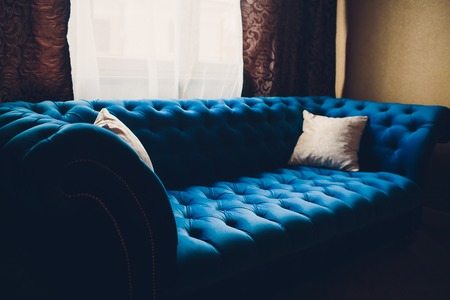
The inclusion of Harris Tweed within British soft furnishings not only celebrates regional skill but also bridges past and present. Whether draped over a Chesterfield or fashioned into bespoke lampshades, it serves as a tactile reminder of the UK’s enduring relationship with material culture—a true Hebridean icon reinterpreted for today’s interiors.
3. Welsh Wool: Looming Traditions and Modern Revival
When discussing the tapestry of British soft furnishings, Welsh wool stands as a distinct thread woven through centuries of tradition and innovation. Nestled amidst the rolling hills and valleys of Wales, historic woollen mills such as Melin Tregwynt and Rock Mill have kept the art of weaving alive, blending age-old techniques with a renewed sense of purpose. These mills are more than just factories; they are cultural landmarks, bearing witness to generations who have spun, dyed, and woven wool into everyday objects of beauty and utility.
Welsh blankets and throws hold a special place in both local heritage and modern interiors. Once essential for warding off the chill in draughty cottages, these textiles have transitioned gracefully into contemporary homes across Britain. Their robust warmth is matched only by their striking patterns: bold geometrics, intricate diamonds, and double-cloth weaves that speak of a distinctly Welsh aesthetic. The use of traditional motifs—often inspired by nature or Celtic symbolism—not only serves decorative purposes but also anchors these soft furnishings firmly within their regional context.
What truly sets Welsh wool apart in today’s soft furnishing trends is its authenticity. The tactile richness and honest craftsmanship offer a tangible link to the past while fitting seamlessly with present-day desires for sustainability and provenance. Whether draped over an armchair or layered on a bed, a Welsh throw brings immediate warmth—both physical and emotional—to any setting. In British homes where style often nods to heritage, these textiles evoke nostalgia without feeling outdated.
In recent years, there has been a revival in the appreciation for Welsh woollen goods among designers and homeowners alike. This resurgence is fuelled not just by an interest in artisanal products but also by a broader movement towards supporting local industries and reducing environmental impact. The story behind each blanket—the journey from sheep to loom to living room—adds an element of storytelling that resonates strongly with British sensibilities around home-making and authenticity.
The influence of Welsh patterns has extended beyond the borders of Wales itself. You’ll find their distinctive designs inspiring cushions, footstools, and even upholstery in London townhouses and rural retreats alike. Their unique interplay of colour and form makes them easy to pair with both modern minimalist interiors and more traditional country styles, reinforcing their reputation as timeless classics within the soft furnishing landscape.
4. English Embroidery: Regional Motifs from the Shires
English soft furnishings have long been a canvas for regional artistry, with each county weaving its own story into the very fabric of domestic life. From the honeyed hills of the Cotswolds to the industrious mills of Lancashire, local motifs and techniques have shaped not just the look but also the cultural resonance of British interiors.
Cotswolds Chintz: Pastoral Elegance
The Cotswolds are renowned for their quintessentially English chintz—floral patterns awash with the gentle hues of meadow blooms. Inspired by rolling fields and cottage gardens, Cotswold chintz was traditionally block-printed onto cotton, lending a romantic touch to curtains, upholstery, and bed linens. These designs evoke a sense of rural tranquillity, making them a perennial favourite in country homes.
Lancashire Jacquard: Industrial Intricacy
In contrast, Lancashire’s legacy is woven into the very warp and weft of jacquard fabrics. As the heartland of Britain’s textile industry, Lancashire pioneered complex weaving techniques that allowed for intricate patterns—from damasks to brocades—bringing an air of sophistication to drawing rooms across the nation. The regions mastery of mechanised looms enabled large-scale production without sacrificing detail or quality.
Table: Regional Motifs and Techniques in English Soft Furnishings
| Region | Signature Fabric/Technique | Typical Motifs | Cultural Influence |
|---|---|---|---|
| Cotswolds | Chintz (Block-Printed Cotton) | Roses, wildflowers, trailing vines | Pays homage to pastoral landscapes; evokes rustic charm |
| Lancashire | Jacquard Weave | Geometric florals, damask scrolls | Reflects industrial heritage; symbolises innovation and craftsmanship |
| Kent | Toile de Jouy (Printed Linen) | Pastoral scenes, hops & oast houses | Nods to agricultural traditions; celebrates local produce like hops |
| Suffolk | Woollen Embroidery | Barges, harvest motifs, hares | Ties to East Anglian folklore; highlights rural livelihoods |
A Tapestry of Local Identity
The enduring appeal of these regional fabrics lies not only in their visual beauty but in their ability to conjure a distinct sense of place. Whether it’s the delicate sprigs on a Gloucestershire cushion or the stately swirls on a Lancashire throw, English soft furnishings continue to draw upon a rich patchwork of county traditions—each stitch and pattern a subtle tribute to local heritage.
5. Irish Linens and the Art of Subtle Luxury
The Understated Sophistication of Irish Linen
Irish linen has long been synonymous with a quiet, refined luxury that is both discernible and discreet. While Scottish tweed or Welsh wool might announce themselves boldly, Irish linen whispers its pedigree through texture, drape, and an unmistakable tactile elegance. Its enduring reputation for quality stems from generations of skilled craftsmanship in Northern Ireland’s flax-growing regions, where tradition meets innovation to produce fabrics prized for their smoothness and resilience.
Lending Texture and Comfort to British Interiors
In the context of British soft furnishings, Irish linen plays a unique role. Its natural breathability and gentle lustre make it a perennial favourite for everything from billowy curtains in Georgian townhouses to crisp cushion covers in modern flats. The fabric’s cool touch is especially cherished during balmy British summers, while its ability to layer effortlessly with heavier textiles—like velvet or tartan—adds visual interest and depth throughout the seasons.
A Trace of Celtic Heritage
Beyond its aesthetic appeal, Irish linen carries a subtle thread of Celtic heritage into British homes. Whether found as delicately embroidered table runners or as the understated backdrop for antique armchairs, it evokes centuries-old stories of rural artistry and communal pride. This connection is particularly resonant in contemporary interiors seeking authenticity; Irish linen offers not just comfort, but also a sense of belonging—a gentle nod to shared roots across the British Isles.
The Modern Relevance of Tradition
Today, as sustainability becomes ever more valued in design circles, Irish linen’s eco-friendly credentials enhance its desirability. It is naturally biodegradable, requires less water than cotton to produce, and ages beautifully with each wash. For those curating homes that balance heritage with modern sensibilities, Irish linen stands out as a conscious choice—one that embodies the art of subtle luxury while weaving together regional influences at the heart of British soft furnishings.
6. Regional Textiles in the Modern British Home
Today’s British interiors are a masterclass in balancing heritage with contemporary sensibilities, especially when it comes to soft furnishings. Designers and homeowners alike are increasingly intentional about layering regional textiles—be it Harris Tweed from the Outer Hebrides or Welsh wool from the valleys—into their living spaces. This conscious curation is not just about nostalgia; rather, it’s an artful nod to tradition that simultaneously refreshes the sense of place within the modern home.
Celebrating Authenticity through Layering
One can spot a London flat adorned with cushions in Cotswold linen paired with a Scottish tartan throw, or a Cornish seaside retreat where St Ives stripes sit harmoniously alongside rugged Shetland wools. Such combinations create tactile stories: each fabric brings its unique provenance and craftsmanship, forging a narrative thread that runs through the interior. By layering these textiles, designers pay homage to Britain’s diverse textile heritage while ensuring each piece retains its distinct regional voice.
The New Rules: Mixing, Matching, and Meaning
The modern approach favours juxtaposition over uniformity. Homeowners might blend Norfolk weaves with Lancashire cottons for a look that feels collected rather than curated. The aim is not to replicate period rooms but to infuse contemporary homes with the depth, warmth, and character that only time-honoured regional textiles can offer. These choices are often deeply personal—perhaps a Harris Tweed cushion commemorates a Scottish ancestry, or a Welsh tapestry blanket signifies family holidays in Snowdonia.
Continuity and Innovation
This resurgence of regional fabrics is about more than aesthetics; it’s also an exercise in continuity. By championing local mills and artisans, today’s interiors foster a renewed appreciation for British craftsmanship and sustainable practices. At the same time, innovative uses—like upholstering modern furniture in traditional cloth or framing rare fabric samples as wall art—reveal how heritage textiles can be reimagined for twenty-first-century living.
In essence, the layering of regional textiles in British soft furnishings bridges past and present. It creates homes that feel rooted yet forward-looking—a testament to both enduring tradition and creative reinvention on home soil.
7. Conclusion: Weaving Identity through Soft Furnishings
British soft furnishings, from the rugged charm of Harris Tweed to the gentle warmth of Welsh wool, are far more than mere decorative elements—they are living embodiments of regional character and collective memory. Each fabric tells a story rooted in local landscapes, traditional craftsmanship, and distinct cultural identities. These textiles reflect not only the diversity within the United Kingdom but also its enduring spirit of innovation blended with heritage.
Across living rooms in London, cottages in Cumbria, and townhouses in Edinburgh, regional soft furnishings act as tactile storytellers. They invite us to appreciate the artistry of Scottish weavers or the resilience of Welsh sheep farmers; they remind us that behind every pattern and texture lies a community proud of its roots. The continued use and celebration of these materials reinforce a sense of belonging and pride, both locally and nationally.
In an era where mass production often strips away nuance and individuality, embracing regionally inspired soft furnishings becomes an act of cultural preservation. Each cushion, throw, or curtain crafted from British wool or tweed is a subtle assertion of identity—connecting past generations to present tastes while hinting at future possibilities. Ultimately, by weaving these stories into our everyday spaces, we honour the rich tapestry of British life itself.