An Introduction to British Dining Textiles
When you step into a traditional British dining room, it’s often the textiles that quietly set the scene. From crisp linen tablecloths draping over oak tables to delicately patterned napkins neatly folded beside fine china, textiles are woven into the very fabric of the British dining experience. These elements do far more than simply protect surfaces or catch crumbs; they evoke a sense of occasion, heritage, and evolving taste. Over the centuries, British households have embraced a variety of fabrics and patterns that reflect both regional traditions and wider cultural influences. Whether it’s the timeless elegance of white damask at Sunday lunch or the vibrant tartan runners used during festive family gatherings, each textile choice tells a story about its owners and their approach to hospitality. In this article, we’ll explore how these textiles shape not only the look but also the feeling of dining in Britain—bridging generations and continually adapting to new styles and sensibilities.
2. Iconic British Fabrics: From Linen to Damask
When it comes to dressing the dining room in true British style, nothing quite matches the timeless appeal of traditional fabrics. For generations, households across the UK have relied on a few classic materials to create that inviting, practical, and elegant setting for meals both grand and everyday. Let’s take a closer look at why fabrics like linen, cotton, and damask have become such stalwarts in British dining rooms.
Linen: The Quintessential Choice
Linen is a staple in many British homes, beloved for its crisp texture and understated charm. Sourced from the flax plant, it’s naturally durable and becomes softer with each wash—a quality that appeals to those who value both practicality and comfort. Linen tablecloths and napkins are often brought out for Sunday roasts or special occasions, lending a sense of understated luxury without being over the top.
Cotton: Everyday Versatility
Cotton is another favourite, prized for its versatility and ease of care. Whether in plain weaves or adorned with subtle prints, cotton textiles are well suited to everyday use. They’re easy to launder—an important consideration in busy households—and can be found in an array of patterns that reflect everything from the countryside to more contemporary British tastes.
Damask: A Nod to Heritage
For those who wish to evoke a sense of tradition and grandeur, damask is often the fabric of choice. This intricately woven material features reversible patterns, commonly floral or geometric, which add a rich visual texture to the dining table. Damask is especially popular for festive occasions or formal dinners, when families gather around to celebrate life’s milestones.
Comparing Key Fabrics in British Dining Rooms
| Fabric | Main Qualities | Common Uses | British Tradition |
|---|---|---|---|
| Linen | Crisp, breathable, softens over time | Tablecloths, napkins | Sunday roasts, family gatherings |
| Cotton | Easy-care, versatile, wide range of patterns | Everyday cloths, placemats | Daily meals, casual get-togethers |
| Damask | Luxurious feel, intricate patterns, reversible | Formal table settings | Festive dinners, special occasions |
The Lasting Appeal of Tradition
Ultimately, these iconic fabrics endure because they balance beauty with function—just as much at home during a lively Sunday lunch as during an elegant Christmas feast. Choosing the right textile isn’t just about practicality; it’s about carrying forward a sense of British hospitality and heritage into every meal shared around the table.
3. Patterns Through the Ages: From Florals to Checks
When you sit down at a British dining table, there’s often more on display than just food and crockery. The very textiles that dress the space – from tablecloths to napkins and seat cushions – tell stories of artistry, heritage, and personal taste. Over generations, certain patterns have woven their way into the heart of British dining culture, each carrying its own charm and significance.
The Enduring Allure of William Morris Prints
Victorian designer William Morris championed a return to handcrafted beauty in an age of industrial mass production, and his richly detailed florals are still a familiar sight in many British homes. A Morris print table runner or set of placemats brings intricate foliage and flowers onto the dining table, connecting diners with nature and history in every meal. These designs evoke a sense of abundance and homeliness, making them perfect for family gatherings and Sunday roasts alike.
Tartan: A Nod to Heritage
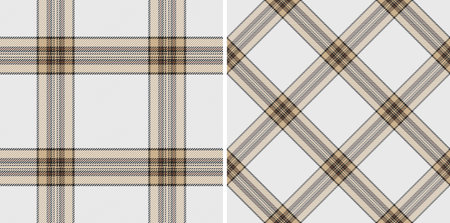
Tartan isn’t just for kilts; it’s woven deeply into the fabric of British identity, particularly in Scotland but celebrated across the UK. In the dining room, tartan textiles—think napkins, tablecloths, or even upholstered chairs—add warmth and a sense of occasion. Each tartan pattern is unique, representing clans or regions, making its presence at the table a subtle celebration of ancestry and tradition. During festive occasions like Burns Night or Christmas dinner, tartan becomes almost essential for many households.
Classic Stripes and Checks: Everyday Elegance
For those who favour understated style, classic stripes and gingham checks bring a crisp freshness to the dining room. Striped linens in navy, red, or green are a mainstay in country cottages as well as urban flats—they’re easy to coordinate and lend a casual elegance that works for everyday suppers or impromptu tea times. Gingham checks evoke images of picnics on the village green or cosy farmhouse kitchens; they feel inviting and practical all at once.
The Role of Pattern in Modern Dining
Today’s British dining rooms blend these traditional motifs with contemporary tastes. Whether mixing Morris-inspired florals with minimalist ceramics or pairing bold tartans with plain linen napkins, pattern is used not just for aesthetics but to create mood and mark special moments. It’s this layering of history and personal touch that makes British dining room textiles so uniquely expressive.
4. Setting the Table: Traditions and Rituals
There’s an undeniable charm to the British dining room, where setting the table is not just a practical task but a cherished tradition steeped in etiquette and attention to detail. The ritual of laying out table textiles is as important as the meal itself, with each element thoughtfully chosen to reflect both occasion and heritage.
The Quintessential British Approach
British households often view table setting as a way to express hospitality and pride in their homes. A crisp white linen tablecloth forms the canvas, sometimes replaced by delicately patterned cotton for afternoon teas or informal gatherings. The napkin, immaculately pressed, may be folded into simple rectangles for daily use or more elaborate shapes for festive dinners.
Coordinating Runners and Place Mats
The art of layering is central to British table settings. Table runners provide a subtle splash of colour or pattern—think classic tartans or understated florals—while place mats are carefully coordinated to either match or contrast, ensuring a harmonious look. Below is a quick guide to typical combinations:
| Occasion | Table Runner | Place Mat | Napkin Fold |
|---|---|---|---|
| Sunday Roast | Tartan Wool | Cream Linen | Simple Rectangle |
| Afternoon Tea | Pastel Floral Cotton | Lace-edged White | Fan Shape |
| Christmas Dinner | Burgundy Velvet | Gold Embroidered | Bishop’s Hat |
| Everyday Family Meal | Navy Striped Cotton | Plain Navy | Straight Fold |
The Personal Touches
No British table would be complete without personal flourishes: perhaps a sprig of rosemary tucked into a napkin ring, or heirloom embroidered serviettes brought out for special occasions. These finishing touches speak volumes about the host’s care and create an inviting atmosphere that encourages conversation and togetherness.
In essence, the ritual of setting the table with carefully chosen textiles isn’t just about aesthetics; it’s about honouring time-honoured traditions and making every meal feel like a celebration.
5. The Practical Side: Caring for and Storing Textiles
If there’s one thing that sets a truly British dining room apart, it’s the care given to its cherished textiles. From classic damask tablecloths to inherited lace runners, these pieces carry stories—and deserve proper attention so they last for generations.
Keeping Your Dining Room Textiles Fresh
Everyday spills are part and parcel of family meals and Sunday roasts, but keeping your table linens fresh is easier than you might think. Shake out crumbs promptly after use, and spot-clean small stains with a gentle dab of white vinegar or mild soap—avoid harsh chemicals that can fade those lovely patterns. When machine washing, select a cool wash for delicate fabrics and always separate whites from colours to prevent bleeding. For extra freshness, dry outdoors on a breezy day; nothing beats the subtle scent of line-dried linen in a British garden breeze.
Storing Heirloom Linens: Tradition Meets Tidy
Heirloom linens—perhaps your granny’s embroidered napkins or that vintage William Morris table runner—deserve special storage. First, ensure all items are clean and completely dry to prevent mildew. Fold them loosely to avoid permanent creases and wrap in acid-free tissue paper for added protection. Store these treasures in a dedicated drawer or a linen chest lined with cotton fabric; cedar balls or lavender sachets tucked among the folds will deter moths without that overpowering chemical whiff. Remember, in true British fashion, “a place for everything and everything in its place” keeps your heirlooms ready for their next outing.
Modern Solutions for Everyday British Homes
For today’s busy households, practical storage needn’t mean sacrificing style. Consider under-bench baskets or lidded boxes in your dining area for quick access to placemats and napkins—ideal for impromptu gatherings or weekday suppers. Hanging fabric organisers on pantry doors keep everyday tablecloths within easy reach while freeing up drawer space. And if you’re short on room, vacuum-sealed bags can store seasonal or seldom-used linens compactly until needed again, helping you maintain that much-coveted British orderliness even in a snug flat.
Quick Tips for Lasting Loveliness
- Avoid plastic bags for long-term storage—they trap moisture and can cause yellowing.
- Rotate linens regularly to distribute wear evenly across your collection.
- Always mend small tears straightaway; a simple stitch now saves bigger repairs later.
A Note on Sustainability
Caring well for your dining room textiles isn’t just about tradition; it’s also an eco-friendly choice. By maintaining and properly storing your fabrics, you extend their life, reduce waste, and honour the heritage woven into every thread—a hallmark of British homes old and new.
6. Seasonal Touches and Personalisation
One of the most charming aspects of British dining rooms is the way textiles are changed and adapted with the seasons or for special occasions, breathing new life into familiar spaces. For Christmas, dining tables often don rich red or deep green runners, paired with napkins embroidered with holly or mistletoe motifs—classic touches that transform an everyday meal into a festive feast. During spring and summer, lighter fabrics such as linen or cotton in pastel florals or cheerful gingham patterns make an appearance, echoing the garden’s renewal just outside the window.
Afternoon tea is another beloved tradition where textiles play a starring role. Crisp white tablecloths, delicate lace overlays, and dainty patterned napkins set the scene for scones and sandwiches, making even a simple gathering feel special. On Sundays, when families come together for a roast, heavier woven placemats and rustic checked tablecloths add warmth and comfort to the occasion, reflecting the hearty meal being shared.
Personalisation is also at the heart of British textile traditions. Many homes have bespoke or hand-embroidered pieces passed down through generations—monogrammed napkins or custom-made seat cushions that tell a family story. It’s not uncommon for hosts to select specific patterns or colours that reflect their personality or evoke cherished memories, ensuring each meal feels intimate and unique. Whether it’s swapping out chair pads for autumnal hues or layering tartan throws over chairs in winter, these thoughtful changes add character while keeping the dining room both welcoming and distinctly British.