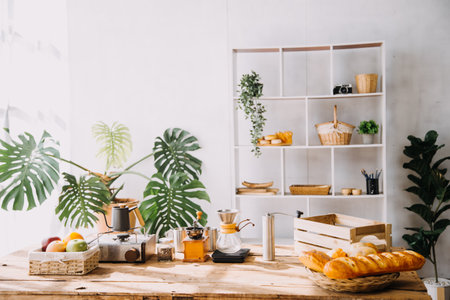
Introduction to British Eco-Friendly Storage
When it comes to stylish living in the UK, sustainability is becoming as essential as a well-brewed cuppa. Across Britain, there’s a growing movement towards eco-friendly and upcycled storage solutions that not only declutter our homes but also tread lightly on the planet. From Victorian terraces in London to cosy cottages in the Lake District, every British home has its own unique character—and finding practical ways to keep them organised without compromising on style is key. Embracing green living here isn’t just about following trends; it’s about making conscious choices that blend timeless British charm with modern eco-sensibility. By reimagining the everyday—whether that’s transforming old crates into chic shelving or giving new life to vintage suitcases—we can keep our spaces tidy and reduce waste at the same time. This approach isn’t just good for the environment; it makes our homes feel warmer, more personal, and truly lived-in. In this article, we’ll explore how easy, affordable, and genuinely British it can be to create storage solutions that are both sustainable and stylish.
Repurposing Everyday Household Items
When it comes to eco-friendly storage with a British twist, there’s nothing quite like breathing new life into everyday household items. The humble teacup, biscuit tin, and jam jar—found in nearly every UK home—are bursting with upcycling potential. With a bit of imagination and a touch of that signature British resourcefulness, you can transform these classics into storage solutions that are both charming and practical. Below are some tips and tricks for turning these quintessential staples into organisers you’ll be proud to display.
Upcycling Tips for Teacups, Biscuit Tins, and Jam Jars
| Item | Storage Use | How-To Tip |
|---|---|---|
| Old Teacups | Jewellery holder, paperclip tray, herb planter | Nestle them on your dressing table for rings and earrings or add a layer of gravel and compost to plant fresh herbs—perfect for the kitchen windowsill. |
| Biscuit Tins | Sewing kit, stationery box, craft supply organiser | Clean thoroughly, then line with fabric scraps for a softer look. Label each tin with washi tape or hand-written tags for that homespun feel. |
| Jam Jars | Pencil pot, bathroom organiser, pantry storage | Remove labels by soaking in warm water. Decorate with ribbon or twine around the rim. Use them to store cotton buds in the loo or dried goods in the larder. |
Why These British Staples?
Teacups, biscuit tins, and jam jars aren’t just practical—they evoke memories of family gatherings, afternoon teas, and homemade treats. Upcycling them means you’re not only reducing waste but also weaving a bit of nostalgia into your daily routines. It’s about making storage personal and purposeful, all while keeping sustainability at heart.

3. Using Preloved Furniture with Character
There’s something uniquely British about giving old furniture a second lease of life, especially when it comes from a local charity shop or a bustling car boot sale on a Sunday morning. Preloved pieces aren’t just affordable—they’re steeped in stories and character that new flat-pack simply can’t replicate. The eco-friendly bonus is clear: every chest of drawers, sideboard, or quirky trunk you rescue keeps another item out of landfill, all while adding personality to your space.
Where to Find Vintage Treasures
Your first stop for preloved gems should be your nearest charity shop—think British Heart Foundation or Oxfam. These shops often have robust furniture sections, and buying from them means your cash goes to a good cause. For weekend adventures, nothing beats the thrill of a car boot sale; you never quite know what you’ll find, from mid-century cabinets to sturdy wooden crates crying out for a makeover. Don’t forget Freecycle and local Facebook groups—many people are happy to pass on items for free if you can collect.
Revamping with Style
Once you’ve sourced your vintage piece, roll up your sleeves for some creative revamping. Sanding down and painting an old dresser in a muted sage or navy can give it that timeless British charm. Swapping out tired handles for brass or ceramic knobs adds instant elegance. Inside, line drawers with leftover wallpaper offcuts for a hidden pop of pattern—a nod to classic English interiors. A sturdy trunk can double as both coffee table and blanket storage, while an old ladder (given a lick of paint) makes an excellent towel rack or plant stand.
Making It Your Own
The best part? Each upcycled piece is truly one-of-a-kind, reflecting your personal taste and the quirks of British home life. By sourcing and transforming preloved furniture, you’re not just organising your home sustainably—you’re weaving in stories and style that feel right at home in any UK setting.
4. Eco-Smart Storage in Small British Spaces
Living in a typical British home or flat often means working with compact rooms and quirky architectural features, like alcoves and under-stairs cupboards. But these nooks and crannies are ripe for eco-friendly, upcycled storage solutions that not only keep your space tidy but also tread lightly on the planet. Here’s how to transform every inch into practical, sustainable storage with a dash of British charm.
Alcoves: The Hidden Gems
Alcoves, common beside fireplaces or along hallways, are perfect for repurposing materials into bespoke shelving or cupboard units. Old scaffold boards, sanded down and waxed, can be cut to fit snugly into alcoves, creating rustic shelves for books, jars, or even wellies. Alternatively, stack vintage apple crates vertically to create an eclectic display—ideal for storing everything from vinyl records to kitchen tins.
Under-Stairs Cupboards: Maximise Every Inch
The classic under-stairs cupboard is often a black hole for clutter. To turn it into a green storage haven, try these upcycling hacks:
| Upcycled Material | Storage Use |
|---|---|
| Old Dresser Drawers | Shoe racks or pull-out organisers |
| Disused Wooden Wine Boxes | Stacked shelving for cleaning supplies or pet paraphernalia |
| Salvaged Cabinet Doors | Add-on cupboard fronts for a polished look |
Box Rooms: Small Space, Big Impact
The humble box room—a staple in many British terraces—is often overlooked. Turn it into a utility closet or craft den by mounting reclaimed timber shelves high up the walls and using fabric tote bags (made from old curtains) as flexible storage below. If you’re short on floor space, hang hooks made from old cutlery on the back of the door for scarves, hats, or reusable shopping bags.
Quick Tips for Eco-Friendly Storage in Small Homes
- Choose second-hand or freecycled furniture wherever possible—sites like Freegle and Gumtree are treasure troves.
- Use baskets woven from recycled materials for a softer touch on open shelving.
- Paint upcycled wood with leftover paints to tie mismatched pieces together while reducing waste.
British Ingenuity Meets Green Living
No matter how petite your space, combining resourcefulness with eco-friendly habits ensures your home feels both tidy and uniquely yours. By embracing upcycled solutions tailored to our beloved British homes, you’ll have storage that’s practical, planet-friendly, and full of character.
5. Sustainable Materials with a UK Flavour
When it comes to eco-friendly and upcycled storage, choosing the right materials can make all the difference—both for your home and the planet. Britain offers a wonderful array of natural resources that bring a distinct local charm to your space while keeping everything neat and sustainable. For starters, wicker baskets are a classic British favourite. Whether sourced from Somerset willow or found at village markets, these sturdy baskets add texture and warmth to any room. Use them for stashing everything from knitting supplies in the lounge to toiletries in the bathroom.
Another quintessentially British choice is wooden crates, often discovered at farmers’ markets or rescued from independent grocers. These rustic beauties aren’t just stylish—they’re practical too. Stack them as open shelving for books, pantry goods, or wellies by the door. Their versatile nature means you can easily repurpose them as your storage needs change.
Don’t overlook recycled wool felt, either. Upcycled from old jumpers or blankets, this material is soft yet durable, perfect for drawer dividers or small catch-all trays. Not only does it keep things tidy, but it also adds a cosy touch that’s unmistakably British.
The key is to seek out materials that have a story—a nod to local craftsmanship or a second life through clever reuse. By doing so, you’ll create storage solutions that are both environmentally responsible and uniquely tailored to British life.
6. Community and Swaps: The British Way
If there’s one thing the British do well, it’s community spirit. When it comes to eco-friendly storage, why not get involved with your local neighbourhood by joining swap events or ‘bring and take’ days? These gatherings—often held in village halls, church basements, or even on the green—are perfect opportunities to give unused baskets, jars, or shelving units a new lease of life in someone else’s home. Rather than letting surplus storage solutions gather dust in your loft or shed, you can pass them along and pick up something you actually need—no money changes hands, just goodwill. Embracing these British traditions helps keep useful items out of landfill and encourages creative upcycling throughout your community. Next time you’re decluttering, pop your spare crates or tins into a tote bag and head to your local swap event; you might find the perfect quirky solution for that awkward cupboard under the stairs! Not only is this approach sustainable, but it also builds connections with neighbours over a shared love of practical, eco-conscious living.