History and Heritage of Edwardian Conservatories
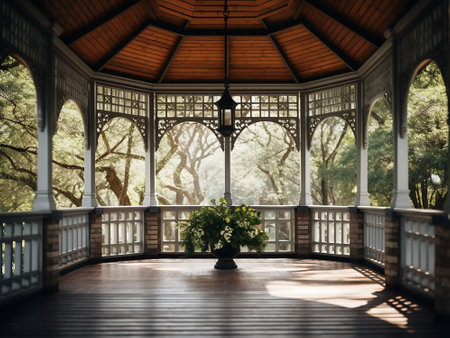
The story of Edwardian conservatories is inextricably woven into the rich tapestry of British architectural evolution and garden culture. Emerging at the dawn of the 20th century, these elegant structures reflect a distinct period in history, marked by King Edward VII’s reign from 1901 to 1910. Edwardian conservatories are renowned for their harmonious blend of classic proportion and modern innovation, bringing together the grandeur of Victorian glasshouses with a newfound emphasis on light, space, and simplicity. Their geometric lines, understated ornamentation, and symmetrical layouts speak to an era when British society embraced refinement without ostentation.
Architecturally, Edwardian conservatories are a testament to Britain’s enduring fascination with horticulture and outdoor living. Rooted in a long-standing tradition of cultivating exotic plants and creating tranquil retreats within the home, these garden rooms became cherished spaces for both relaxation and botanical display. In this sense, they were much more than mere extensions; they symbolised the British ideal of merging indoor comfort with the natural beauty of the garden—a notion that remains central to contemporary lifestyle trends across the UK.
Culturally significant, Edwardian conservatories offered a democratic approach to domestic architecture. Unlike their ornate Victorian predecessors, which often signified opulence and exclusivity, Edwardian designs were more accessible to the burgeoning middle classes. This shift reflected broader societal changes: a move towards practicality, functionality, and a deeper appreciation for leisure at home. Today, these conservatories continue to resonate as icons of British heritage, embodying both historic charm and timeless appeal within modern garden settings.
2. Design Elements and Aesthetics
The Edwardian conservatory is an enduring icon of British architectural taste, seamlessly blending classic refinement with practical garden living. At its heart lies a commitment to symmetry, with the floor plan typically forming a bold rectangle or square—echoing the balanced proportions found in Edwardian period homes across the UK. This geometric clarity not only maximises usable space but also enhances the sense of calm and order so coveted in British interiors.
Signature Features of Edwardian Conservatories
| Design Element | Description | Cultural Significance |
|---|---|---|
| Symmetry | Rectilinear layouts, evenly spaced windows and doors, creating a harmonious visual rhythm. | Reflects British appreciation for balance and understated elegance. |
| Ornate Glazing Bars | Decorative bars dividing glass panels, often featuring intricate patterns reminiscent of early 20th-century craftsmanship. | Pays homage to traditional joinery and the artisanal heritage of the Edwardian era. |
| Elegant Proportions | Tall windows, lofty ceilings, and slim sightlines that flood interiors with natural light. | Amplifies the connection between home and garden—a cherished aspect of British domestic life. |
Material Choices: Quality with Character
Authentic Edwardian conservatories favour timber or powder-coated aluminium frames in soft heritage hues—think sage green, off-white, or dove grey—lending a subtle sophistication that complements both period properties and contemporary reinterpretations. The use of decorative cresting along rooflines and finials atop ridges further enhances their distinctive silhouette on a typical British street or within a leafy garden enclave.
Timeless Visual Harmony
Ultimately, the beauty of Edwardian conservatory design lies in its ability to evoke a sense of timelessness while serving modern lifestyles. Whether appended to a red-brick townhouse in Surrey or nestled behind a Victorian terrace in Manchester, these garden rooms remain as relevant today as they were over a century ago—embodying the British penchant for gracious yet functional living spaces.
3. A Modern Renaissance: Bringing Edwardian Conservatories into the 21st Century
In today’s Britain, the Edwardian conservatory is enjoying a remarkable revival, as homeowners reimagine these iconic garden rooms to reflect contemporary living while honouring their historical roots. This renewed appreciation is not simply about preserving heritage; it’s about seamlessly weaving the grandeur of Edwardian design with the innovation and functionality demanded by modern lifestyles.
Heritage Meets Innovation
Contemporary British homeowners are embracing the Edwardian conservatory as a versatile extension of their homes, no longer confined to traditional uses such as greenhouses or formal lounges. By updating classic features—like intricate cornicing, elegant glazing bars, and high ceilings—with energy-efficient glass, discreet underfloor heating, and smart ventilation systems, they strike a balance between timeless beauty and everyday comfort.
A Flexible Space for Modern Living
Where once an Edwardian conservatory was purely ornamental, today’s interpretations see these spaces transformed into open-plan kitchens, informal family lounges, creative studios, or tranquil home offices. The signature square or rectangular footprint lends itself perfectly to multifunctional layouts, allowing for fluid movement between indoor and outdoor life—a hallmark of the modern British lifestyle. Bi-fold doors and contemporary furnishings further enhance this sense of effortless connection with the garden.
Personalisation with Purpose
British homeowners are also making bold design choices that reflect both individual taste and practical needs. Sustainable materials, muted colour palettes inspired by nature, and bespoke joinery are common features. Whether restoring original Edwardian details or blending them with minimalistic touches, the result is a uniquely British celebration of craftsmanship and creativity—an authentic renaissance that honours history while embracing the future.
4. The Garden Room Experience
At the heart of the Edwardian conservatory lies its unique role as a garden room — a serene retreat where the boundaries between indoors and outdoors blur effortlessly. These spaces are designed to invite the splendour of British seasonal gardens right into the home, offering a front-row seat to nature’s evolving palette. Whether it’s the blush of early spring magnolias or the golden hues of autumnal foliage, the conservatory becomes a living canvas for each season’s charm.
The Quintessence of Tranquility
Stepping into an Edwardian garden room is to embrace tranquillity. The generous use of glass and symmetrical lines allows abundant natural light to fill the space, creating an uplifting atmosphere that encourages relaxation and contemplation. Many homeowners use their conservatories for morning tea, quiet reading sessions, or simply as a vantage point to observe the ever-changing British weather.
Connection to Seasonal British Gardens
One of the defining features of these conservatories is their seamless integration with traditional British gardens. From manicured lawns bordered by lavender to wildflower patches buzzing with pollinators, the garden room offers panoramic views and easy access to outdoor splendour throughout the year.
Seasonal Garden Experiences in an Edwardian Conservatory
| Season | Garden Highlights | Conservatory Experience |
|---|---|---|
| Spring | Daffodils, tulips, blossoming fruit trees | Savouring morning coffee amidst fresh blooms and birdsong |
| Summer | Roses, peonies, lush green lawns | Hosting afternoon teas with doors open to fragrant breezes |
| Autumn | Asters, ornamental grasses, fiery foliage | Cosy reading nooks with views of russet leaves drifting down |
| Winter | Evergreens, holly berries, frost-kissed paths | Stargazing on crisp evenings from a warm sanctuary |
This harmonious relationship between interior comfort and exterior beauty is what makes Edwardian conservatories a cherished feature in British homes—a true renaissance of the classic garden room experience.
5. Sustainable Materials and Eco-Conscious Restorations
The renaissance of Edwardian conservatories in the UK is not merely a nostalgic nod to architectural elegance; it is increasingly defined by a conscious shift towards sustainable building practices. Today, homeowners and designers are blending the timeless charm of Edwardian style with modern environmental responsibility, ensuring that these cherished garden rooms are as green as they are graceful.
Embracing British Timber and Recycled Materials
One notable trend is the use of responsibly sourced British timber, such as oak and accoya, which offers durability while supporting local forestry. Reclaimed bricks and recycled glass are also favoured, echoing the original period’s craftsmanship but reducing the carbon footprint associated with new materials. These choices reflect a deeper appreciation for provenance and sustainability, harmonising with the UK’s growing eco-conscious mindset.
Energy Efficiency at the Forefront
Modern Edwardian-style conservatories now often feature advanced glazing technologies—like argon-filled double or triple glazing—that significantly enhance thermal efficiency. High-performance roof lanterns, draught-proofing techniques, and underfloor heating powered by renewable energy sources ensure that these spaces remain comfortable year-round without excessive energy consumption. Such innovations seamlessly blend with classic proportions and intricate detailing, proving that sustainability need not compromise aesthetic appeal.
Preserving Heritage Through Green Restoration
Restoration projects across Britain are embracing environmentally sensitive methods. Sensitive paint removal, lime-based mortars, and natural insulation materials help retain original fabric while minimising environmental impact. Heritage specialists are increasingly collaborating with conservation officers to ensure that eco-upgrades respect both the letter and spirit of listed building regulations, safeguarding these architectural gems for generations to come.
This thoughtful balance between tradition and innovation has positioned Edwardian conservatories as flagbearers of Britain’s green garden room revival—where every pane and panel tells a story of beauty, heritage, and responsible stewardship.
6. Styling Tips: Furnishing and Decorating your Edwardian Conservatory
Drawing inspiration from the elegant heritage of Edwardian conservatories, styling these garden rooms in a manner that feels both authentically British and refreshingly modern is an art in itself. To honour the period’s light-filled, symmetrical architecture, begin by selecting furniture with classic lines and delicate detailing—think rattan armchairs, button-tufted sofas, or painted wooden benches. Arrange seating to face outwards towards the garden, encouraging connection with nature and maximising sunlight, a hallmark of British conservatory living.
Botanicals: Bringing the Outside In
No Edwardian garden room is complete without a lush array of botanicals. Layer potted ferns, trailing ivy, and fragrant English lavender to evoke the abundant greenery favoured in Britain’s country houses. Place statement plants in ornate ceramic pots or vintage planters, clustered around seating areas for an immersive, tranquil atmosphere.
Decor Accents: Subtle British Flourishes
To complement the architectural charm of your conservatory, opt for decor that nods to British taste: floral print cushions reminiscent of Liberty fabrics, delicate lace drapery, or hand-thrown pottery. Antique side tables and brass lanterns add warmth and character. Incorporate heritage touches—a collection of botanical prints or a reclaimed oak bookcase—to create a sense of storied elegance.
Layout Considerations
Keep the floor plan open and uncluttered, allowing natural light to flow freely. Position a small dining table for afternoon tea beneath the apex of the glazed roof or create an inviting reading nook with a vintage rug and wingback chair. For evening ambience, layer soft lighting—table lamps with pleated shades or strings of fairy lights—to evoke that uniquely British cosiness known as “hygge.”
Ultimately, furnishing your Edwardian conservatory is about celebrating its role as a bridge between home and garden—a space where timeless design meets everyday comfort, rooted firmly in the tradition of the British garden room renaissance.