A Love Affair with Pre-Loved: British Second-Hand Culture
In Britain, the pursuit of second-hand treasures is more than a pastime—it’s a beloved ritual woven into the nation’s cultural DNA. The unique enthusiasm for car boot sales and charity shops reveals a deeply ingrained appreciation for pre-loved objects and sustainable living. Unlike mere bargain hunting, British thrifting is a social experience, drawing people together in muddy fields at dawn or bustling high street shops filled with donated goods. This affection stems from a combination of nostalgia, environmental consciousness, and an eye for quirky individuality. Car boot sales are quintessentially British, where families and friends gather over flasks of tea and bacon sarnies to unearth hidden gems from car boots (that’s “car trunks” in other parts of the world). Meanwhile, charity shops—iconic fixtures on every British high street—offer not only affordable fashion and homewares but also the feel-good factor of supporting local causes. Here, the thrill lies in the unexpected: a vintage Burberry trench for pennies, retro crockery from a forgotten era, or even a rare vinyl nestled amongst the bric-a-brac. This enduring passion for second-hand chic isn’t simply about saving money; it reflects values of community spirit, sustainability, and a delight in stories that preloved items carry with them.
2. The Allure of the Car Boot Sale
Few traditions capture the uniquely British blend of thrift, community spirit, and eccentricity quite like the car boot sale. Each weekend, from spring through autumn, fields and school car parks across the UK are transformed into bustling marketplaces, as sellers pop open their car boots—what the Americans would call “trunks”—and lay out their wares on folding tables or even old blankets. This ritual isn’t merely about offloading last year’s clutter; it’s a microcosm of British life, where you’re just as likely to discover a vintage teapot as you are to overhear a bit of local gossip or engage in friendly haggling over a battered copy of Dickens.
The magic of a car boot sale lies not only in what you can find, but also in the atmosphere that pervades these muddy fields. There’s an unmistakable buzz—early risers with thermos flasks in hand, families on the hunt for bargains, and seasoned “car-booters” who know exactly which stalls to hit first. The thrill comes from never knowing what treasures await: one person’s unwanted bric-a-brac becomes another’s prized find. Whether it’s mid-century crockery, retro vinyl records, or curious knick-knacks with stories attached, the possibility of uncovering something special keeps enthusiasts coming back week after week.
The Anatomy of a Car Boot Sale
| Element | Description |
|---|---|
| Muddy Field or Car Park | The quintessential setting; practical yet charmingly unpolished |
| Car Boots (Trunks) | The humble stage for every seller’s wares; often overflowing with hidden gems |
| Bargain Hunters | A diverse crowd: students, pensioners, collectors, and families alike |
| Cups of Tea & Bacon Butties | Essential sustenance for both buyers and sellers; classic British refreshments |
| Negotiation & Banter | An expected part of the experience; polite haggling is almost an art form here |
More Than Just Shopping: A Social Tapestry
At its core, the car boot sale isn’t just about commerce—it’s about connection. These gatherings bring together neighbours who might otherwise never meet, creating temporary communities bonded by shared curiosity and nostalgia. For some, it’s a chance to clear space at home; for others, it’s the excitement of adding a quirky piece to their collection or finding the perfect upcycling project. In this way, car boot sales offer a glimpse into local culture and values—resourcefulness, sociability, and that distinctly British love for a good rummage.

3. Charity Shops: More Than Just a Bargain
Charity shops have long been woven into the fabric of British high streets, but their role in the rise of second-hand chic is both culturally significant and ever-evolving. Far more than simple treasure troves for thrifty shoppers, these shops are powered by a distinct ethos that reflects the UK’s commitment to community, sustainability, and individuality.
The Heart of Local Causes
Every purchase made in a charity shop supports a cause close to home—be it local hospices, animal welfare, or international aid projects. For many Britons, shopping here is not just about snapping up a bargain; it’s an act of solidarity with their community. The shops themselves often become social hubs, run by dedicated volunteers who foster a sense of belonging and goodwill. This unique blend of commerce and compassion sets British charity shops apart from their global counterparts.
Sustainable Shopping in Action
In an age where fast fashion dominates headlines for all the wrong reasons, charity shops offer an antidote. By extending the lifecycle of clothing, books, and homeware, they champion circular consumption and reduce landfill waste. Shoppers can indulge their love for style guilt-free, knowing that each find is a small victory for the planet. It’s this green conscience—rooted in practical British sensibility—that has cemented charity shops as flag bearers for ethical consumerism.
Hotspots for Vintage Finds & Quirky Décor
Whether you’re after retro crockery or a one-off velvet jacket, UK charity shops are veritable goldmines for vintage lovers and design enthusiasts alike. The eclectic mix on offer means every visit holds potential for unexpected delights—from mid-century ceramics to hand-embroidered cushions. This unpredictable variety has turned charity shop browsing into a beloved British pastime and provided endless inspiration for homes embracing second-hand chic.
A Distinctive British Experience
Ultimately, charity shops encapsulate much of what makes the UK’s approach to second-hand style so distinctive: a spirit of generosity, an appreciation for quality craftsmanship of yesteryear, and a knack for mixing the practical with the whimsical. In embracing these spaces, Britons aren’t just finding bargains—they’re curating stories and shaping interiors with character and conscience.
4. Curating Character: Styling with Second-Hand Finds
Embracing second-hand chic is more than a budget-friendly choice—it’s an invitation to infuse your home with authentic character and British charm. The key lies in artfully blending eclectic treasures from car boot sales and charity shops into your modern living space, ensuring each piece tells its own story while harmonising with the rest of your decor.
Practical Tips for Seamless Integration
Start by identifying the core style or mood you wish to evoke—be it cosy cottagecore, mid-century modern, or boho maximalism. Use this as your compass when selecting pre-loved items, mixing bold finds with understated staples for balance. Don’t shy away from a bit of DIY; a lick of paint or new upholstery can revive a tired piece and make it uniquely yours.
Curating with Intention
| Find | Styling Tip | Room Suitability |
|---|---|---|
| Vintage Mirrors | Cluster different shapes above a mantelpiece for instant drama and light reflection. | Lounge, Hallway |
| Mismatched Crockery | Display on open shelves or use for afternoon tea—embrace the quirky British tradition. | Kitchen, Dining Room |
| Retro Lamps | Pair with contemporary side tables to create a playful contrast. | Bedroom, Living Room |
| Brocade Armchairs | Add a knitted throw and scatter cushions for that “lived-in” feel. | Reading Nook, Study |
| Framed Artwork | Create a gallery wall mixing old prints with family photos for personal flair. | Stairwell, Lounge |
Aesthetic Inspiration: Making It Uniquely Yours
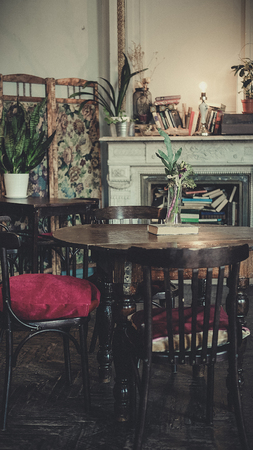
The British love for the “collected-over-time” look is perfectly achieved through second-hand styling. Layer textiles—think Welsh blankets, floral curtains, or embroidered cushions—to add warmth and texture. Showcase collections (vintage teapots, classic Penguin books) on floating shelves or antique dressers. Remember, the aim isn’t perfection but personality: let your home feel lived-in and reflective of your adventures at local car boots and high street charity shops.
This thoughtful curation not only saves money but also supports sustainability and celebrates Britain’s rich heritage of craftsmanship and storytelling. With every pre-loved find, you’re adding another layer to your home’s evolving narrative—a true testament to second-hand chic.
5. Sustainability and Storytelling
At the heart of second-hand chic lies a profound commitment to sustainability. Choosing treasures from car boot sales or charity shops is not only a nod to British thriftiness, but also an eco-conscious decision that actively reduces waste and curbs the demand for mass-produced goods. Each lovingly sourced item—whether a battered leather satchel from a Sunday morning boot fair in Kent or a mid-century lamp discovered on the high street—carries with it a unique history. These pre-loved pieces are imbued with stories, sometimes whispered through faded makers’ marks or well-thumbed pages, sometimes imagined from the mere patina of age. In British homes, these objects become conversation starters, inviting guests to speculate on their origins or recounting tales of discovery over a cuppa. The narrative richness woven into second-hand design transforms interiors from mere living spaces into curated galleries, where every chair, teacup, or painting echoes with past lives and new possibilities. This approach not only champions environmental responsibility but also fosters a sense of continuity—each piece bridges eras, linking today’s household with threads of local heritage and personal adventure.
6. Second-Hand Chic Goes Mainstream
The once-niche realm of second-hand chic has now taken centre stage across the UK, propelled by a new wave of British influencers, designers, and even high street retailers who champion upcycling and vintage aesthetics. This cultural shift is visible everywhere, from the Instagram grids of eco-conscious style icons to the thoughtfully curated windows of well-known shops on Oxford Street.
Influencers Setting the Vintage Tone
British fashion influencers have played a pivotal role in redefining what it means to dress sustainably. Figures like Zeena Shah and Oenone Forbat regularly share their car boot finds and charity shop hauls online, turning pre-loved fashion into aspirational style statements. Their content not only demystifies thrifting but also empowers followers to explore their own creativity through unique combinations, often showcasing how a 90s windbreaker or retro tea set can be reimagined for contemporary living.
Designers Embracing Upcycling
Meanwhile, British designers are weaving second-hand fabrics and reclaimed materials into their collections. Brands such as Bethany Williams and Patrick McDowell have garnered acclaim for making upcycling central to their ethos—transforming discarded textiles into high-fashion pieces that challenge fast fashion’s throwaway culture. The result is a landscape where ingenuity meets responsibility, echoing the British knack for reinvention and eccentricity.
High Street Retailers Get On Board
Even mainstream retailers have caught on. High street giants like Marks & Spencer and John Lewis now collaborate with charities and launch ‘pre-loved’ edits, making second-hand shopping accessible to a wider audience. Pop-up thrift markets and dedicated sections for vintage clothing are becoming regular fixtures in stores up and down the country, blurring the lines between old and new.
A Lasting Legacy
This widespread embrace of second-hand chic signals more than just a passing fad; it cements an enduring trend deeply rooted in British culture’s appreciation for characterful objects with stories to tell. In doing so, it offers a stylish antidote to disposable consumerism—proving that style, much like history itself, is best when it’s lived in, shared, and given fresh life time after time.