
The Allure of Exposed Brick in British Homes
There’s something undeniably captivating about exposed brickwork, especially within the context of open plan living—a design trend that has become synonymous with modern British homes. Whether you’re strolling through a Victorian terrace in London or visiting a converted warehouse apartment in Manchester, chances are you’ll encounter these beautifully weathered walls. Exposed brick brings a sense of history and authenticity to interiors, offering texture and warmth that instantly elevates any space. In the UK, where characterful features are highly prized, this rustic element bridges the gap between old-world charm and sleek, contemporary design. It’s not just about aesthetics; exposed brick can serve as a subtle zoning tool in open layouts, creating visual interest and distinct areas without erecting barriers. As more homeowners embrace open plan living—knocking through kitchens, dining rooms, and lounges into one seamless flow—the enduring appeal of exposed brick lies in its ability to ground these airy spaces with a solid sense of place. Its tactile surface reflects Britain’s industrial heritage while feeling thoroughly at home among minimalist furniture, layered textiles, and curated lighting schemes. No wonder exposed brick remains a firm favourite: it harmoniously blends the past with the present, making every open plan room feel both lived-in and inviting.
2. Zoning Open-Plan Spaces with Brick Features
Open-plan living is a hallmark of modern British homes, offering flexibility and an airy sense of space. Yet, without thoughtful zoning, these large areas can quickly feel chaotic or lack purpose. Exposed brickwork presents a unique opportunity to create distinct zones within your open-plan layout, blending practicality with undeniable character.
Practical Zoning Ideas
Using exposed brick as a visual and functional separator doesnt mean building new walls—it’s about clever placement and design details. For example, a partial brick wall or a brick column can subtly divide the lounge from the dining area without blocking light or conversation. In kitchen-diner spaces, a low-level brick partition doubles up as a breakfast bar or serving counter, providing both storage and definition.
Typical Zoning Applications
| Zone | Brick Feature Idea | Functionality |
|---|---|---|
| Living Area | Exposed brick chimney breast or feature wall behind the sofa | Creates a natural focal point and anchors seating arrangements |
| Dining Area | Half-height brick wall or pillar between table and lounge | Delineates dining space without closing off the room; ideal for displaying plants or artwork |
| Kitchen Area | Brick breakfast bar or peninsula with shelving on the kitchen side | Defines kitchen boundary while offering extra storage and casual seating |
British Lifestyle Considerations
In UK homes where space is often at a premium, these strategies help you maintain that prized open feel while ensuring each area serves its purpose—whether it’s curling up with a cuppa in the lounge, hosting Sunday roasts in the dining nook, or prepping meals in a well-organised kitchen. With exposed brick as your ally, you achieve zones that are both functional and full of personality.
3. Acoustic Considerations in Open Plan Living
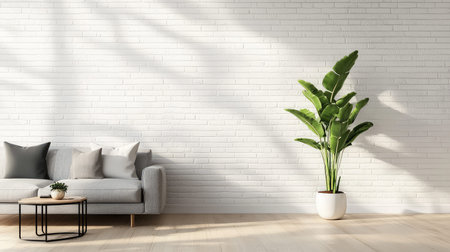
Open plan living is undeniably popular across the UK, but when it comes to acoustics, exposed brickwork can introduce a unique set of challenges. Unlike plastered or timber-clad walls, exposed bricks have hard, uneven surfaces that tend to reflect sound waves rather than absorb them. This means that in a bustling British family home—perhaps with kids coming in from the garden and the kettle whistling in the kitchen—sound can travel freely and even echo, making conversations harder to contain and privacy less attainable.
For many, the raw texture and visual warmth of exposed brick are worth preserving. However, it’s important to acknowledge how these surfaces amplify noise, especially in high-ceilinged Victorian conversions or contemporary new builds common across London and other UK cities. Everyday activities like watching telly or hosting friends can quickly become noisy affairs if acoustic planning is overlooked.
To soften the acoustic impact without compromising on style, British homeowners are turning to clever solutions. Introducing soft furnishings such as thick rugs, heavy curtains, and upholstered furniture helps absorb excess sound. For larger spaces, consider strategically placing bookcases filled with books—these not only add character but also act as effective sound dampeners. Wall hangings crafted from textiles or felt can be both decorative and functional for absorbing echoes.
If you’re after a more subtle approach, acoustic panels are becoming increasingly available in designs that complement traditional and modern interiors alike. These panels can be discreetly mounted on ceilings or upper wall sections where they blend into the background yet make a noticeable difference in sound quality. For listed properties or period homes where drilling into brick isn’t an option, free-standing screens upholstered with acoustic fabric offer a flexible alternative for zoning and noise reduction.
Ultimately, balancing exposed brick’s tactile appeal with practical acoustic measures will ensure your open plan space remains inviting yet comfortable for everyday life—a true reflection of British ingenuity and appreciation for both form and function.
4. Lighting Techniques to Complement Brick Walls
When it comes to open plan living, exposed brick is a star feature that deserves to be seen in the right light—quite literally. The way you illuminate your brickwork can transform the mood of your space, from industrial chic to warm and inviting. Here are some practical lighting tips and techniques designed specifically for British homes, helping you highlight textures, create zones, and maintain that sought-after cosy atmosphere even on drizzly evenings.
Tips for Creating Ambience with Layers of Lighting
- Layered Approach: Combine ambient, task, and accent lighting for depth and flexibility. Use ceiling pendants or track lighting for general brightness, table or floor lamps for reading nooks, and wall washers or spotlights to highlight brick textures.
- Dimmers: Install dimmer switches—these are a must-have in UK living rooms for adjusting brightness as daylight fades or when entertaining guests.
- Warm Bulbs: Opt for warm white bulbs (around 2700K) to soften the natural ruggedness of exposed brick, making the space feel more homely than harsh.
Highlighting Brick Textures: What Works Best?
| Lighting Type | Effect on Brick | Best Placement |
|---|---|---|
| Wall Washers | Softens and highlights overall brickwork | Evenly spaced along main walls |
| Spotlights | Picks out details and variations in brick texture | Aim at feature sections or art displays |
| Uplighters | Adds drama by casting shadows upward | Floor level behind furniture or plants |
| Pendant Lights | Casts pools of light for zoning areas | Over dining tables or kitchen islands |
Maintaining a Cosy, Inviting Atmosphere
- Candlelight & Fairy Lights: Don’t underestimate the charm of candles or string lights along shelves or mantels—they add a flickering warmth that works wonders against brick.
- Lampshades with Texture: Choose fabric shades in earthy tones; these diffuse light beautifully onto brick surfaces without feeling stark.
- Avoid Glare: Position lights so they graze rather than directly hit the wall. This brings out the tactile quality of bricks and avoids harsh reflections.
- Mix Old & New: Pair industrial-style fixtures with classic table lamps—a nod to both modern loft vibes and traditional British comfort.
Tidy Up Those Cables!
No matter how stylish your lighting scheme, visible wires can disrupt the look. Use discreet cable covers or trunking painted to match your skirting boards for a neat finish—a little touch that makes a big difference in maintaining an organised open plan setting.
5. Maintenance and Upkeep: Brickwork in Daily Life
Exposed brickwork is undeniably charming, but it does demand a touch of regular care to keep it looking its best—especially within an open plan living space bustling with daily activity. Unlike painted walls, exposed bricks are porous and can attract dust, moisture, and even the occasional stain from family life or social gatherings. To maintain that quintessentially British blend of character and functionality, a few simple routines will go a long way.
Essential Cleaning Habits
Start by gently dusting your brickwork with a soft brush or vacuum fitted with a brush attachment. This helps prevent the build-up of grime and keeps the surface looking crisp. For deeper cleans, use a mild detergent diluted in warm water, carefully scrubbing any marks without saturating the bricks—over-wetting can lead to damp issues, particularly in older UK properties.
Sealing for Longevity
Applying a breathable sealant is key to protecting exposed brick from spills and general wear. Opt for products designed specifically for masonry; these preserve the brick’s natural appearance while offering essential protection against everyday mishaps—think splashes from the kitchen or muddy pawprints from pets dashing through open zones.
Tackling Common Issues
If you spot efflorescence (those white salt deposits), gently brush them off when dry. Persistent damp patches may indicate underlying moisture concerns, so it’s worth consulting a local tradesperson familiar with British housing stock. Staying on top of repairs—repointing crumbling mortar, for example—ensures your space stays safe as well as stylish.
Blending Practicality with Style
Beyond cleaning, consider how furniture placement and soft furnishings can help protect your brick features. Tall bookshelves or modular storage units not only zone open plan areas but also shield lower sections of wall from knocks and scuffs, all while keeping everything tidy and well-ordered—a hallmark of savvy UK home design.
With just a bit of mindful upkeep, your exposed brickwork will remain an inviting focal point in your open plan living space, gracefully weathering daily life while showcasing that sought-after blend of heritage charm and modern comfort.
6. Balancing Style and Function in Modern British Living
Successfully integrating exposed brick into an open-plan British home requires more than just embracing its rugged beauty; it’s about creating a space that feels as comfortable as it looks striking. When working with exposed brick, consider how its natural warmth and texture can harmonise with the rest of your décor while still meeting the practical needs of daily living.
Achieving Aesthetic Cohesion
To achieve a cohesive look, balance the industrial charm of exposed brick with softer, more tactile elements. Layer in textiles—think wool throws, velvet cushions, or chunky knit rugs—to offset the coolness of brick and add a sense of cosiness quintessential to British interiors. Neutral paint palettes on adjoining walls help prevent the space from feeling too busy, letting the brickwork take centre stage without overwhelming the room.
Functional Layouts for Everyday Life
Functionality should never be compromised for style. Define zones clearly in your open-plan layout using area rugs, bookcases, or even changes in flooring to subtly mark out living, dining, and kitchen areas. This helps the exposed brick act as a unifying backdrop rather than a dividing element, supporting fluid movement while maintaining clarity in each zone’s purpose.
Lighting and Practical Details
Lighting plays a vital role in both showing off the texture of exposed brick and making sure your space works practically at all times of day. Use layered lighting—combine wall-mounted sconces (which bounce warm light off brick), dimmable overhead fixtures, and task lamps for flexible illumination. In true British fashion, pay attention to draughts or cold spots near exterior walls: heavy curtains or discreet insulation solutions can ensure comfort year-round without hiding your beautiful brickwork.
Ultimately, balancing style and function is about thoughtful choices—mixing vintage finds with modern pieces, keeping storage accessible yet unobtrusive, and letting your personal taste shine through. With these principles in mind, exposed brick becomes not just a visual feature but a living part of your home’s everyday rhythm.