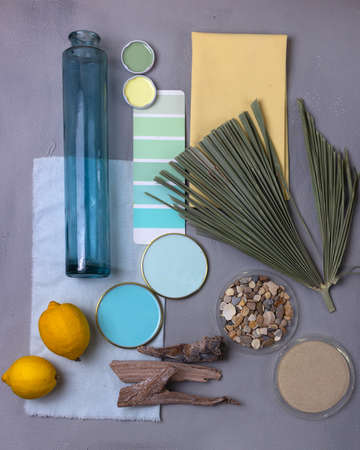
Introduction to Sustainable Paint in the UK
Sustainability has become a defining theme in the British decorating landscape, driven by both environmental imperatives and shifting consumer values. Across the UK, there is a growing awareness of how our choices—right down to the paint on our walls—impact not only our immediate environment but also the wider world. With climate change, resource depletion, and waste reduction high on the national agenda, British homeowners and designers are increasingly prioritising sustainable solutions in their renovation projects. This transformation is reflected in the rising demand for eco-friendly paints and colour palettes that tread lightly on the planet while delivering beautiful results. As traditional paints come under scrutiny for their ecological footprint, the move towards greener alternatives signals a broader shift in public attitudes, where style and sustainability are no longer seen as mutually exclusive but as essential partners in contemporary British interiors.
Understanding Eco-Friendly Ingredients and Certifications
When selecting sustainable paint in the UK, understanding the components and certifications behind “eco-friendly” labels is crucial. Many mainstream paints contain volatile organic compounds (VOCs) that contribute to indoor air pollution and environmental degradation. Eco-conscious British consumers are increasingly seeking alternatives that prioritise health, wellbeing, and planetary stewardship.
Breaking Down Common Eco-Friendly Paint Components
Eco-friendly paints typically reduce or eliminate harmful chemicals, relying instead on natural or recycled ingredients. Here’s a breakdown of key components:
| Component | Description | UK Relevance |
|---|---|---|
| Low-VOC Binders | Acrylic or plant-based resins with minimal emissions | Helps meet strict UK indoor air quality standards |
| Natural Pigments | Earth-derived minerals and clays for colouration | Reflects traditional British craftsmanship and local sourcing |
| Water-Based Solvents | Reduces reliance on harsh petrochemicals | Makes disposal and clean-up safer for homes and waterways |
| Biodegradable Additives | Adds performance without persistent toxins | Aligns with circular economy principles popular in the UK |
The Impact of Low-VOC and Natural Pigments
Paints formulated with low-VOC content are especially relevant in Britain, where damp weather often means homes are less ventilated. Using water-based emulsions dramatically lowers odours and improves indoor air quality, making them ideal for British family homes. Natural pigments—such as ochres from Cornwall or iron oxides—connect eco-friendly choices to regional heritage while providing rich, nuanced hues characteristic of classic UK interiors.
Overview of Trusted UK Certifications
Navigating “green” claims can be tricky, but several robust certification schemes help British consumers make informed decisions. Key certifications include:
| Certification | Description | Why It Matters in the UK |
|---|---|---|
| BREEAM (Building Research Establishment Environmental Assessment Method) | The leading sustainability assessment for buildings in the UK; evaluates materials’ impact on health and environment. | BREEAM-approved paints are favoured for public buildings and new developments across the country. |
| EU Ecolabel | An official EU-wide label for products meeting high environmental standards throughout their lifecycle. | Still widely recognised post-Brexit, valued by eco-savvy British homeowners. |
| BS EN 71-3:2019+A1:2021 (Toy Safety Standard) | Covers chemical safety for paints used on children’s furniture and toys. | A reassurance for families choosing safe finishes for nurseries and schools. |
Cultural Context: British Standards Meet Modern Sustainability
The intersection of tradition, safety, and ecological awareness shapes the UK’s approach to sustainable paint. By understanding both what goes into eco-friendly paint—and who stands behind those claims—British consumers can create beautiful spaces that honour both heritage and a commitment to future generations.

3. Leading Sustainable Paint Brands Available in the UK
When it comes to sustainable paint choices, the UK market has seen a vibrant transformation, with both heritage brands and innovative newcomers prioritising ecological responsibility. This reflects broader British values of craftsmanship, transparency, and environmental stewardship—a cultural shift that’s mirrored in both urban flats and countryside cottages alike.
British Pioneers in Eco-Friendly Paint
Among the most reputable homegrown names is Farrow & Ball, a Dorset-based company celebrated not only for its quintessentially British colour stories but also for its commitment to water-based formulas with low VOCs (volatile organic compounds). Their paints are crafted with high-quality pigments and responsibly sourced ingredients, making them a staple in eco-conscious renovations across the UK. Meanwhile, Lick, a relatively new player, brings a fresh perspective by combining sleek design with a strong focus on recyclable packaging and carbon-neutral delivery—appealing particularly to younger, style-driven homeowners who value both aesthetics and ethics.
European Influences and Continental Craftsmanship
The influence of continental Europe is also felt strongly. Little Greene, though proudly British, collaborates with European pigment specialists to produce paints that are not only richly coloured but also certified child-safe and virtually odourless. German brand Auro stands out for its pioneering use of plant-based binders and natural minerals—eschewing petrochemicals entirely—while Sweden’s Beckers offers durable emulsions with Nordic Swan Ecolabel certification, popular among UK designers seeking Scandinavian minimalism with an ethical backbone.
Sustainability Beyond Ingredients
It’s not just what’s inside the tin that matters: these brands often lead by example in waste reduction, local sourcing, and renewable energy use during manufacturing. For instance, Farrow & Ball’s factory runs on 100% renewable electricity, while Little Greene participates in paint can recycling initiatives. This holistic approach signals a cultural understanding in Britain that sustainability must permeate every layer of production—not just the final product.
Cultural Resonance and Everyday Choice
The popularity of these sustainable brands is more than a trend—it’s woven into the UK’s evolving relationship with home decor. Whether revamping a Victorian terrace or adding warmth to a modern flat, British homeowners now expect their paint to tell a story of environmental care as much as personal taste. Choosing from these leading brands allows consumers to align their interiors with values of responsibility, innovation, and enduring style—a uniquely British blend of tradition and progress.
4. The Influence of British Heritage on Eco Colour Palettes
The UK’s storied architectural and cultural heritage has long shaped its interior aesthetics, with traditional colourways continuing to inspire contemporary sustainable paint choices. In the realm of eco-friendly design, the muted hues and period-inspired shades rooted in British history have proven enduringly popular. These palettes not only evoke a sense of timelessness but also blend harmoniously with environmentally conscious materials and finishes.
Classic British Tones and Their Sustainable Appeal
Many sustainable paint brands in the UK draw directly from the nation’s historical palette, favouring understated elegance over bold statements. Soft greys reminiscent of Georgian townhouses, sage greens echoing country estates, and dusky blues found in Victorian drawing rooms are frequently reimagined using natural pigments and low-VOC formulas. These colours offer a sense of calm and continuity, aligning perfectly with the ethos of mindful consumption and durability.
Iconic UK Period Shades and Modern Eco-Friendly Equivalents
| Historical Inspiration | Traditional Shade | Modern Eco Palette Equivalent |
|---|---|---|
| Georgian Era | Pale Dove Grey | Chalky Mineral Grey (Low-VOC) |
| Victorian Era | Navy Blue | Deep Indigo Clay Paint |
| Edwardian Era | Sage Green | Limewash Sage Blend |
The Cultural Significance of Subtlety
This preference for subtlety is deeply embedded in British culture, where restraint and understatement are prized. Eco-friendly paints that mirror these nuanced tones allow homeowners to honour tradition while making responsible choices. The muted palette also serves as a versatile backdrop, complementing both period features and modern furnishings in British homes.
Sustainable Innovation Meets Heritage Aesthetics
UK paint manufacturers are increasingly developing environmentally friendly products that do justice to heritage shades without compromising on authenticity or performance. By utilising plant-based binders, recycled content, and mineral-based pigments, these brands ensure that classic colours remain accessible to those prioritising sustainability. The interplay between heritage inspiration and eco-conscious innovation is shaping a new chapter in British interior design—one where history, sustainability, and style coexist seamlessly.
5. Practical Tips for Choosing and Applying Sustainable Paints
Understanding the British Context
When it comes to sustainable paint choices in the UK, local climate and architecture play a pivotal role. Britains temperate weather, with its fair share of dampness and fluctuating temperatures, demands paint solutions that are both resilient and eco-friendly. Whether you live in a Victorian terrace in Manchester or a modern flat in London, the right eco paint not only enhances your home’s charm but also ensures longevity and minimal environmental impact.
Selecting the Right Eco-Friendly Paint
Opt for paints carrying credible certifications such as the EU Ecolabel or British Standard EN71-3, which indicate reduced volatile organic compounds (VOCs) and environmentally responsible production methods. Brands like Little Greene and Earthborn offer formulas tailored to the UK’s specific needs—look out for mineral-based or clay paints that cope well with British humidity and provide excellent breathability, especially important for older properties with solid walls.
Preparation: Laying the Foundations
Proper preparation is key to maximising your sustainable paint’s performance. Before painting, ensure surfaces are clean, dry, and free from peeling or flaking. For historic homes, traditional lime plasters pair best with breathable, natural paints; avoid heavy-duty sealants that trap moisture and cause damage over time. Sand gently using eco-friendly sandpaper alternatives, and fill cracks with low-impact fillers such as linseed putty or cellulose-based products.
Application: Best Practices for British Homes
Apply paints during mild, dry periods—typically late spring or early autumn—to prevent condensation issues common in Britain’s wetter months. Use good quality brushes or rollers made from recycled materials to minimise waste. Work in thin coats, allowing each layer to cure thoroughly before applying the next, which not only extends durability but also enhances colour vibrancy unique to eco palettes inspired by Britain’s landscapes.
Maintenance for Longevity
Sustainable paints often benefit from gentle maintenance rather than frequent repainting. Clean painted surfaces with soft cloths and mild soap, avoiding harsh chemicals that can degrade natural pigments. For touch-ups, keep a small amount of leftover paint sealed tightly; this reduces unnecessary waste while ensuring consistency should repairs be required after the inevitable knocks of daily British life.
Final Thought
By embracing these practical strategies—rooted in Britain’s distinctive climate and architectural heritage—you can achieve interiors that are both visually stunning and environmentally sound. Making conscious choices at every stage ensures your home reflects both contemporary sustainability values and timeless British character.
6. Community Initiatives and Local Inspirations
Across the UK, the shift towards sustainable paint choices and eco-friendly colour palettes is being fuelled not only by individual homeowners but also by a vibrant network of grassroots movements, social enterprises, and community-driven projects. These local initiatives play a vital role in raising awareness and making environmentally conscious decorating more accessible to everyone.
Grassroots Movements Empowering Change
From Bristol to Glasgow, grassroots organisations are championing greener living through workshops, pop-up events, and educational campaigns. Groups such as The Restart Project in London have expanded their focus beyond electronics to include upcycling furniture with low-VOC paints, encouraging residents to give their interiors a fresh look while minimising environmental impact. These movements often collaborate with local councils and artists, infusing public spaces with colourful murals painted using eco-friendly materials.
Social Enterprises Driving Sustainable Decor
Social enterprises like Paint360 and Community RePaint are leading the way in repurposing surplus or waste paint, offering affordable options for those looking to decorate sustainably. By collecting leftover paint from businesses and households, these organisations process and redistribute it to charities, schools, and community groups. This circular approach not only diverts waste from landfill but also supports social inclusion and creativity within neighbourhoods.
Celebrating Local Colour Stories
Eco-friendly decorating in the UK is also enriched by regional colour stories that draw inspiration from local landscapes, architecture, and heritage. From the coastal blues of Cornwall to the earthy greens of the Lake District, many community art projects encourage residents to select colour palettes that reflect their surroundings. This locally rooted approach fosters a sense of place and belonging while supporting the use of sustainable paints sourced from British manufacturers committed to ethical practices.
Together, these community-led efforts are shaping a uniquely British pathway towards sustainable interiors—one that celebrates collaboration, resourcefulness, and a deep connection to local identity. As more people engage with these initiatives, eco-friendly decorating becomes not just a trend but an integral part of everyday life across the UK.