Introduction: The Shifting Landscape of British Soft Furnishings
Soft furnishings have long held a cherished place in the tapestry of British homes, serving as both a reflection of personal taste and a testament to broader cultural currents. From plush velvet curtains in stately manors to the humble chintz cushions that once lined countless sitting rooms, these elements have shaped the ambience of interiors across generations. As lifestyles evolve—driven by changing family structures, urban living, and global influences—the role and aesthetic of soft furnishings in British interiors have undergone significant transformation. Today, the interplay between tradition and modernity is more pronounced than ever, with homeowners blending heritage motifs with contemporary designs. This ongoing evolution not only mirrors shifts in daily life but also underscores how British identity continues to be woven into every fabric and texture found within the home.
Traditional British Textiles and Motifs
When exploring the rich tapestry of British interiors, one cannot overlook the enduring influence of traditional textiles and motifs that have shaped domestic spaces for centuries. These fabrics are more than mere decoration; they serve as cultural artefacts, weaving together stories of regional pride, craftsmanship, and historical identity.
Classic British Fabrics: Heritage Woven in Thread
The British Isles are renowned for their distinctive fabrics, each rooted in local history and climate. Tweed, with its rugged durability and earthy tones, originated in the Scottish Highlands and became synonymous with country estates and rural pursuits. Chintz, a glazed cotton often adorned with floral patterns, found favour in English drawing rooms during the 18th century, reflecting both colonial connections and a penchant for botanical beauty. Tartan, perhaps the most iconic, encapsulates Scotland’s clan heritage through its bold checks and colours, symbolising kinship and belonging.
Table 1: Key Traditional British Fabrics
| Fabric | Origin | Typical Use | Cultural Significance |
|---|---|---|---|
| Tweed | Scottish Highlands | Upholstery, blankets, cushions | Symbol of rural life, aristocracy, practicality |
| Chintz | England (inspired by Indian imports) | Curtains, slipcovers, decorative pillows | Reflects botanical interest, genteel tastes |
| Tartan | Scotland | Plaids for throws, upholstery, drapery | Represents clan identity and heritage |
Time-Honoured Motifs: Emblems of Regional Identity
Beyond fabric type, the motifs woven or printed onto these textiles also speak volumes about British culture. The English rose stands as a national emblem; thistles evoke Scotland’s resilience; leeks and daffodils pay homage to Wales. Patterns such as William Morris’s intricate florals epitomise the Arts & Crafts movement’s reverence for nature and handcraftsmanship—an aesthetic that continues to inspire contemporary design.
The Emotional Resonance of Traditional Motifs
The incorporation of these classic elements into modern interiors is not merely nostalgic. Rather, it reaffirms a connection to place—a quiet assertion of lineage and continuity amidst changing times. Whether featured prominently or used as subtle accents in cushions or curtains, traditional textiles act as visual shorthand for Britishness itself: resilient yet refined, steeped in history yet adaptable to new expressions.
3. The Impact of Modern British Design Movements
The evolution of soft furnishings in British interiors is inextricably linked to the nation’s influential design movements. Beginning with the Arts and Crafts movement in the late 19th century, British designers challenged the dominance of mass-produced goods by reviving traditional craftsmanship and natural motifs. This movement brought forth an appreciation for intricate embroidery, handwoven textiles, and organic forms—elements that still echo in today’s upholstery fabrics and drapery.
From Arts and Crafts to Art Deco
As Britain entered the early 20th century, the geometric sophistication of Art Deco began to permeate interior schemes. Bold lines, stylised florals, and luxurious materials such as velvet and silk became signatures within soft furnishings. The contrast between ornate detailing from Arts and Crafts and the streamlined glamour of Art Deco created a dialogue that continues to inspire contemporary British interiors.
Mid-Century Modernism: A New Sensibility
Following the disruptions of World War II, mid-century modernism introduced a spirit of optimism and simplicity. British designers embraced functionalism without sacrificing comfort, favouring clean lines, muted colour palettes, and tactile materials like wool blends and textured weaves. Mid-century patterns—think abstract motifs and playful geometrics—offered a refreshing break from tradition while retaining a distinct sense of British restraint.
Contemporary Reinterpretations
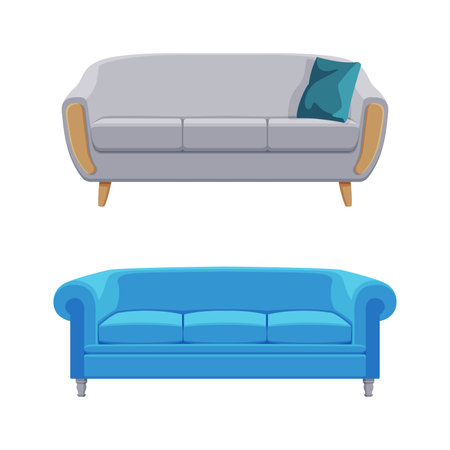
Today’s British interiors deftly weave these historical influences into modern living spaces. Contemporary soft furnishings often blend classic tweeds with minimalist silhouettes or juxtapose heritage floral prints against sleek sofas. Sustainability has also become a defining feature, with many brands reimagining traditional materials through eco-friendly processes. This ongoing synthesis reflects not only evolving tastes but also a uniquely British ability to honour the past while embracing innovation.
4. Sustainability and the Rise of Eco-Conscious Choices
In recent years, sustainability has become a driving force behind the evolution of soft furnishings in British interiors. No longer just a passing trend, eco-consciousness is now integral to both consumer choices and industry practices. From fabric selection to craftsmanship, modern British homes increasingly prioritise environmental responsibility alongside aesthetic value.
The Shift Towards Sustainable Fabrics
Traditional materials such as velvet and wool remain popular, but there is a notable surge in demand for organic and recycled textiles. Homeowners are more discerning about the origins and lifecycle of their soft furnishings, favouring natural fibres like linen, hemp, and certified organic cotton. Many British brands have responded by introducing collections that are not only visually appealing but also ethically sourced.
Eco-Friendly Craftsmanship and Local Sourcing
The emphasis on local production has brought renewed attention to time-honoured British textile mills and artisans. This movement supports local economies while reducing carbon footprints associated with long-distance transportation. The revival of heritage crafts—such as hand-weaving and natural dyeing—adds an extra layer of authenticity and sustainability to contemporary interiors.
Comparing Traditional vs Modern Sustainable Practices
| Aspect | Traditional Approach | Sustainable Modern Approach |
|---|---|---|
| Fabric Source | Imported or synthetic materials | Locally sourced, organic or recycled fabrics |
| Production Methods | Mass production, high energy usage | Small-batch, energy-efficient processes |
| Chemical Usage | Synthetic dyes and treatments | Natural dyes, minimal chemical intervention |
This conscious shift reflects a broader societal movement towards sustainability in everyday life. As British consumers become more aware of their environmental impact, they are choosing soft furnishings that tell a story—not just of style, but of stewardship and local pride.
5. Mixing Tradition with Contemporary Aesthetics
Modern British interiors have embraced a distinctive approach to soft furnishings by artfully blending tradition with contemporary flair. Rather than adhering strictly to either old or new, today’s homes often present a curated tapestry of heirloom treasures, vintage market finds, and sleek modern elements. This combination results in living spaces that feel both rooted in heritage and vibrantly current.
The Enduring Allure of Heirloom Pieces
Many British households treasure the inclusion of inherited items—think hand-embroidered cushions, antique throws, or classic wingback chairs upholstered in time-honoured fabrics. These pieces not only carry sentimental value but also lend depth and authenticity to a room’s overall aesthetic. The gentle patina of age, along with traditional patterns such as damask or chintz, acts as a visual anchor amidst more contemporary additions.
Vintage Finds: Character and Charm
From the bustling stalls of Portobello Road to tucked-away charity shops, vintage soft furnishings are making a spirited comeback. Layering a 1970s velvet pouffe or retro floral curtains alongside minimalist modern sofas creates an engaging interplay between eras. These one-of-a-kind discoveries inject personality and a sense of narrative into interior schemes, reflecting Britain’s appreciation for characterful, storied objects.
Modern Design: Clean Lines Meet Rich Textures
Contemporary British design is marked by its restraint and subtlety—clean lines, neutral palettes, and tactile textures reign supreme. Yet, the beauty lies in contrast: plush velvet cushions against streamlined armchairs, or geometric rugs grounding ornate period fireplaces. This juxtaposition highlights the versatility of soft furnishings as both statement-makers and harmonisers within diverse settings.
The resulting effect is a layered and lived-in look that feels unmistakably personal. By weaving together past and present through textiles and upholstery, British interiors celebrate individuality while paying homage to tradition—proving that soft furnishings are far more than decorative afterthoughts; they are fundamental to the evolving story of home.
6. British Cultural Influences in Modern Soft Furnishings
Modern British interiors are unmistakably shaped by a unique cultural sensibility that subtly weaves through the latest trends in soft furnishings. This distinctive design language is defined by three hallmark qualities: understated elegance, eclecticism, and a gentle dose of humour. In today’s British homes, these elements are not just aesthetic choices—they represent a nuanced narrative of national character expressed through textiles, patterns, and styling.
Understated Elegance: Quiet Luxury at Home
The British penchant for quiet luxury is evident in the choice of fabrics and finishes that favour refinement over ostentation. Think plush velvets in muted jewel tones, classic herringbone wools, or linen-blend curtains with delicate embroidery—each piece contributing to an atmosphere of effortless sophistication. The layering of textures, often in a restrained palette, pays homage to tradition while feeling fresh and inviting, capturing that quintessential sense of comfort without pretension.
Eclecticism: A Patchwork of Heritage and Modernity
Eclecticism remains at the heart of British interior style, reflected in the bold mixing of patterns, eras, and influences within soft furnishings. It’s not uncommon to see a William Morris-inspired cushion paired with contemporary geometric throws or heritage tartan blankets layered over mid-century sofas. This curated juxtaposition celebrates Britain’s rich design history while embracing global trends—a testament to the nation’s openness to reinvention and storytelling through interiors.
Humour and Whimsy: Playful Touches in Textiles
A subtle wit runs through many modern British interiors, often surfacing in unexpected fabric prints or quirky accessories. Whether it’s cushions adorned with cheeky animal motifs, lampshades featuring iconic London landmarks, or playful trims on otherwise traditional drapes, these touches bring light-heartedness into the home. Such details reflect the British appreciation for irony and charm—ensuring that even the most elegant spaces retain a sense of personality and fun.
Together, these cultural influences have propelled British soft furnishings into a new era—where respect for tradition harmoniously blends with contemporary flair. The result is an interior landscape where every textile tells a story, every pattern holds meaning, and every home feels uniquely ‘British’ in its spirit and style.
7. Conclusion: The Future Fabric of British Interiors
As we look ahead, the evolution of soft furnishings in British interiors appears poised at a fascinating intersection between tradition and innovation. Technology is set to play an increasingly prominent role, with smart textiles and sustainable materials transforming both the functionality and ecological footprint of our homes. Imagine curtains that respond to daylight or cushions crafted from recycled fibres—these innovations are becoming less futuristic and more a part of daily British life.
At the same time, global influences are weaving their way into the tapestry of British design. The cosmopolitan nature of cities like London and Manchester ensures that motifs, fabrics, and techniques from across the world continuously enrich local interiors. Expect to see Indian block prints blending with Scottish tartans or Japanese minimalism paired with classic English chintz—a true celebration of cultural hybridity.
Yet, amidst these shifts, the enduring allure of British heritage remains unmistakable. Whether it’s the comforting familiarity of a Harris Tweed armchair or the nostalgic charm of floral drapery, there is a persistent desire to honour traditional craftsmanship and storytelling through textiles. This balancing act—between embracing cutting-edge change and cherishing time-honoured styles—defines the unique trajectory of British soft furnishings.
Ultimately, the future fabric of British interiors will be shaped by this dynamic dialogue between past and present. Homeowners are likely to curate spaces that feel both innovative and rooted, reflecting individual tastes while echoing national narratives. As we continue to reimagine our living environments, soft furnishings will remain central—not just as decorative elements, but as tangible expressions of evolving British identity.