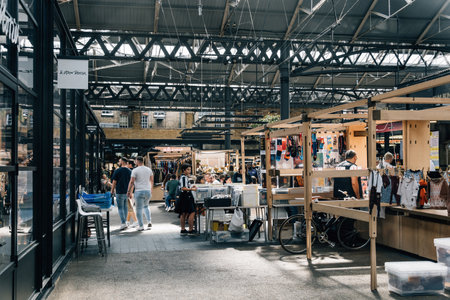
Introduction to Local Sourcing in the UK
In recent years, local sourcing has emerged as a defining trend within British design, reflecting a broader shift towards sustainability and environmental responsibility. At its core, local sourcing involves prioritising materials, manufacturing, and talent that are geographically closer to home. This approach is gaining momentum among British designers who seek not only to reduce their carbon footprint but also to foster stronger ties with local communities and suppliers. By focusing on shorter supply chains and transparency, these designers are reimagining how products are conceived and produced in the UK. The growing significance of local sourcing is underscored by changing consumer expectations, legislative pressures, and an urgent need to address climate change. As British design continues to evolve, championing sustainable supply chains through local sourcing is becoming both a creative challenge and a moral imperative for the industry.
Historical Roots: British Craftsmanship and Local Materials
The legacy of local sourcing in British design is not a modern phenomenon but rather a deep-rooted tradition. From the mills of Yorkshire producing fine woollen textiles to the skilled carpenters of the Cotswolds handcrafting furniture from native oak, local materials have long shaped the identity and character of British design. This emphasis on regional resources was born out of necessity as well as pride—centuries ago, communities relied on what was available nearby, creating a strong link between place, material, and craft.
The Industrial Revolution accelerated this relationship, with regions developing specialisms based on their natural assets. For example, Lancashire became synonymous with cotton weaving while Sheffield’s reputation for steel cutlery grew from access to iron ore and water power. These traditions still influence today’s designers who are rediscovering the value of working with local suppliers and artisans. Many British brands are now seeking to revive historic crafts and reconnect with their heritage by tracing supply chains back to their origins.
Key Traditional Materials and Regional Specialisms
| Region | Material | Craft/Design Heritage |
|---|---|---|
| Yorkshire | Wool | Textiles, Tweed Production |
| Cotswolds | Oak, Stone | Furniture Making, Masonry |
| Staffordshire | Clay | Ceramics, Pottery (e.g., Stoke-on-Trent) |
| Sheffield | Steel | Cutlery, Tools |
| Kent & Herefordshire | Hops, Apples | Bespoke Brewing Vessels, Cider Presses |
This rich tapestry of regional expertise forms the backbone of sustainable local sourcing in contemporary British design. By honouring these historical roots, today’s designers are not only preserving invaluable skills but also reinforcing a resilient and more environmentally responsible supply chain.

3. Current Champions: Notable British Designers Leading the Way
The movement towards local sourcing within the UK’s design landscape is increasingly championed by a new wave of British designers and brands who see sustainability not as an afterthought, but as a core ethos. These creatives are leveraging Britain’s rich heritage in craftsmanship, while also injecting contemporary values into their supply chains.
Stella McCartney: Setting Industry Standards
Stella McCartney stands out as a pioneer in sustainable luxury fashion. Known for her uncompromising approach to both ethics and aesthetics, she sources materials locally wherever possible, collaborating with British textile mills that uphold high standards in environmental stewardship. Her commitment extends from organic cotton grown in the UK to partnerships with responsible wool suppliers, all contributing to a transparent and traceable supply chain.
Christopher Raeburn: Remade in Britain
Christopher Raeburn has garnered attention for his ‘Remade’ philosophy, which champions upcycling and the use of surplus military fabrics sourced within Britain. Raeburn’s studio in East London acts as both a creative hub and a production site, minimising transportation and ensuring quality control at every stage. His work demonstrates how local sourcing can be seamlessly integrated into innovative, high-performance design.
Community-Driven Brands: Toast & Community Clothing
Brands like Toast and Community Clothing are further examples of how local supply chains can underpin successful business models. Toast partners with British mills and artisan workshops to produce garments that reflect both regional character and durability. Community Clothing, spearheaded by Patrick Grant, revitalises traditional manufacturing towns by producing everyday basics in factories across the North of England, supporting local jobs and reducing transport emissions.
Emerging Designers: New Voices, Fresh Perspectives
A new generation of emerging designers is also making waves. Figures such as Bethany Williams focus on social enterprise collaborations and source textiles from UK-based social initiatives, highlighting the intersection between local production and community impact. Similarly, Phoebe English meticulously documents every step of her garment journey, working closely with local weavers and dyers.
The Broader Impact
This collective momentum among established names and rising stars signals a tangible shift within British design culture. By prioritising local sourcing, these designers are not only reducing carbon footprints but also fostering resilient communities and preserving artisanal skills for future generations.
4. Benefits for Communities and the Environment
Local sourcing has become a cornerstone in the movement towards sustainable supply chains, particularly among British designers who are keen to foster positive impacts that stretch far beyond the studio. By prioritising materials and production partners closer to home, these designers are not only supporting local communities but also making significant strides in environmental stewardship.
Strengthening British Communities
One of the most immediate benefits of local sourcing is its capacity to bolster British communities. When designers choose to collaborate with regional artisans, textile mills, or manufacturers, they help sustain local jobs and preserve traditional crafts. This support ensures that skills unique to certain areas—such as Yorkshire wool spinning or Cornish pottery—are passed down through generations rather than being lost to globalisation. The result is a thriving network of small businesses and workshops, each contributing to the rich tapestry of British design culture.
Reducing Carbon Footprints
Transporting raw materials and finished products across continents racks up considerable carbon emissions. In contrast, local sourcing slashes transportation distances, thus lowering overall carbon footprints. The following table illustrates typical differences between international and local sourcing in terms of environmental impact:
| Aspect | International Sourcing | Local Sourcing (UK) |
|---|---|---|
| Average Transport Distance | 5,000+ miles | <200 miles |
| CO2 Emissions (per tonne) | High (air/sea freight) | Low (road/rail) |
| Packaging Requirements | Extensive (to withstand long journeys) | Minimal (shorter, less risky transit) |
Bolstering the Regional Economy
The knock-on effects of local sourcing ripple through regional economies. Money spent within the UK tends to stay within the local economy for longer, supporting a diverse range of enterprises from suppliers to logistics providers. This multiplier effect can be especially pronounced in rural or post-industrial areas where new opportunities are vital for economic regeneration. By choosing home-grown resources and talent, British designers are making investments that help communities become more resilient and self-sufficient.
A Holistic Approach to Sustainability
Taken together, these benefits illustrate why local sourcing is not just an ethical choice but also a practical strategy for British designers committed to sustainability. It nurtures community identity, safeguards the environment, and underpins a robust regional economy—all central tenets in the ongoing evolution of responsible design practices across the UK.
5. Challenges and Opportunities in Local Supply Chains
Local sourcing is an admirable goal, but British designers face a complex web of challenges when attempting to fully localise their supply chains.
Supply Limitations and Skills Gaps
One of the main obstacles is the scarcity of certain materials and specialist skills within the UK. Some fabrics, trims, or technical processes are no longer produced locally at scale, largely due to decades of outsourcing and the decline of traditional manufacturing hubs. As a result, designers often struggle to find reliable suppliers who can meet both their quality standards and sustainability criteria.
Cost Pressures and Market Realities
Another challenge is cost. Locally sourced materials and production typically come at a premium compared to overseas alternatives. For emerging British brands especially, this can create tension between maintaining competitive price points and upholding ethical standards. These pressures are further compounded by consumer expectations for affordability, making it difficult to balance commercial viability with sustainable intent.
Logistical Complexities
Even when local resources are available, coordinating shorter supply chains can present logistical headaches. Small batch runs may be harder to schedule, lead times can fluctuate with domestic demand, and there may be less flexibility compared to large offshore factories. For designers aiming to scale up while remaining local, these factors require careful planning and ongoing relationship-building with suppliers.
Emerging Solutions: Collaboration and Innovation
The landscape is not without hope. British designers are increasingly collaborating with each other, sharing supplier contacts, pooling orders for greater leverage, and supporting regional craft revival initiatives. Digital platforms now connect makers and manufacturers across the UK more efficiently than ever before. Meanwhile, innovations such as regenerative farming, closed-loop textile recycling, and on-demand manufacturing hold promise for strengthening local capacity.
The Path Forward
While full localisation remains challenging, incremental progress is being made through persistent experimentation and community-building. By openly addressing the realities of cost, supply gaps, and logistics—and by investing in collaborative solutions—British designers are laying the groundwork for resilient, transparent supply chains that could become a model for sustainable fashion globally.
6. Looking Ahead: The Future of Local Sourcing in British Design
As the British design sector continues its journey towards sustainability, local sourcing is poised to remain a central pillar. The future landscape will undoubtedly be shaped by the interplay between government policy, evolving consumer expectations, and emerging technologies. Recent initiatives from Westminster have signalled a stronger commitment to supporting home-grown industries and sustainable practices, with grants and incentives encouraging designers to seek out local suppliers. Meanwhile, consumers are becoming increasingly discerning; there is a growing appetite for transparency and provenance in products, pushing brands to not only source locally but also communicate their supply chain credentials clearly.
The role of technology cannot be underestimated. Advancements in digital fabrication, supply chain mapping, and materials science are enabling British designers to access new local resources more efficiently than ever before. For example, real-time data analytics allow for smarter inventory management and reduced waste, while online platforms connect small-scale producers directly with design studios seeking bespoke components or materials.
Looking forward, we can expect to see more collaborative networks forming across regions—designers partnering with artisans, manufacturers, and even farmers—to foster innovation and resilience within local supply chains. Policy will likely continue to incentivise this shift as part of broader national sustainability goals, particularly as the UK positions itself as a leader in green design post-Brexit.
The Challenge of Scale
However, scaling up remains a challenge. While boutique operations thrive on local relationships, larger firms may struggle to find enough local sources to meet demand at volume. This tension could drive greater investment in regional infrastructure or encourage hybrid models that balance local sourcing with responsible global procurement.
Consumer Power
Consumers wield significant influence over this evolution. As demand for ethical goods rises, British designers who embrace radical transparency and build strong ties with local communities stand to gain loyalty—and set new benchmarks for the industry.
Conclusion
The momentum behind local sourcing is unmistakable. With supportive policies, engaged consumers, and smart use of technology, the UK’s design sector has an opportunity not just to reduce its environmental footprint but also to reimagine what it means to be “Made in Britain” for a new generation.