
Embracing the British Landscape Indoors
Natural textures and patterns are at the heart of today’s most compelling interior design trends, particularly within the context of British homes. Across the United Kingdom, the landscape is a constant source of inspiration—think rolling green hills, wild moorlands, dramatic coastlines, and patchwork fields stitched together by ancient hedgerows. These iconic features don’t just shape our sense of place outdoors; increasingly, they’re reflected in the way we design our living spaces. By bringing elements reminiscent of Britain’s countryside indoors, we create interiors that feel both grounded and uniquely personal. Whether through earthy materials, organic motifs, or subtle nods to rural scenery, British homeowners are finding creative ways to echo the beauty of their natural surroundings within their everyday environments.
2. Local Textures: Stone, Timber, and Woven Materials
In British interiors, the use of indigenous materials is more than a stylistic choice—it is a celebration of the landscape’s rich heritage. From the honeyed tones of Cotswold stone to the sturdy grain of English oak beams and the timeless comfort of woven wool, these local textures serve as tactile reminders of Britain’s rural and architectural legacy. Each material not only grounds a space in its immediate surroundings but also infuses it with warmth, authenticity, and an unspoken narrative that connects past and present.
Cotswold Stone: Enduring Elegance
The golden hues of Cotswold stone are synonymous with quintessential English villages, instantly evoking images of rolling hills and sunlit meadows. Utilising this locally quarried limestone in walls or flooring brings an organic softness and enduring charm to interiors. Its natural variations ensure that no two surfaces are alike, creating a unique backdrop reflective of the ever-changing British countryside.
Oak Beams: Heritage and Strength
English oak, revered for its durability and distinctive character, has been a cornerstone of British architecture for centuries. Exposed beams or reclaimed timber elements add not only architectural interest but also evoke a sense of continuity with tradition. The visible grain patterns and subtle imperfections remind us of the forests that have shaped Britain’s identity for generations.
Woven Wool: Comfort Rooted in Tradition
Wool—sourced from native sheep breeds—has long played a vital role in British life. Whether used in thickly woven carpets, tweed upholstery, or soft throws, woolen textiles offer both tactile comfort and visual texture. Their patterns, often inspired by local landscapes or regional motifs, reinforce the connection between interior spaces and their natural surroundings.
Key Local Materials and Their Interior Impact
| Material | Typical Use | Sensory Effect | Cultural Reference |
|---|---|---|---|
| Cotswold Stone | Walls, Flooring, Fireplaces | Warmth, Earthiness | English Villages, Rural Countryside |
| English Oak Beams | Ceiling Features, Joinery, Furniture | Stability, Timelessness | Tudor Homes, Historic Barns |
| Woven Wool | Rugs, Upholstery, Blankets | Softness, Cosiness | Tweed Mills, Highland Traditions |
Nurturing Authenticity Through Material Choices
By thoughtfully incorporating these traditional materials into contemporary spaces, British homes achieve a harmonious blend of old and new. Each element tells a story—rooting interiors firmly in their locale while inviting a sense of belonging and comfort that is unmistakably British.
3. Patterns Inspired by Nature: From Moorland to Meadow
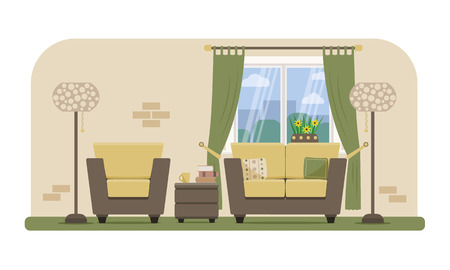
Within British interiors, patterns inspired by the natural world form a visual language that connects homes to the rolling countryside, wild moorlands, and tranquil meadows. The tradition of incorporating nature-based motifs dates back centuries, with each region lending its unique identity to textiles and wallpapers. Botanical prints—featuring ferns, foxgloves, bluebells, and wild grasses—evoke the changing seasons and bring an unmistakable freshness indoors. These patterns are more than decorative; they are a celebration of native flora, lovingly rendered in watercolours or detailed linework.
Highland checks and tartans, iconic to Scotland, draw their origins from the rugged landscapes and rich heritage of the Highlands. Their geometric forms echo the patchwork of heather-strewn hills and stone walls criss-crossing the land. When used in soft furnishings or upholstery, these checks offer a comforting sense of warmth and tradition while grounding contemporary spaces in something deeply familiar. Elsewhere, flowing damask patterns reference historic English gardens and grand country estates, weaving together past and present.
From classic William Morris-inspired motifs to modern interpretations of bracken or coastal reeds, each pattern tells a story about place and belonging. Layering these designs throughout the home blurs the boundaries between inside and out, inviting a serene rural atmosphere into even the most urban settings. Whether through delicate trailing vines on curtains or bold tartan throws on armchairs, nature’s diversity is celebrated in every detail.
4. Colour Palettes Reflecting British Climes
British interiors often draw inspiration from the ever-changing weather and natural beauty of the landscape, resulting in colour palettes that are both understated and atmospheric. The subtle interplay of soft greys, muted blues, sage greens, and earthy neutrals echoes the moody skies, mist-laden mornings, and rolling fields that define the British Isles. These tones not only pay homage to local scenery but also create an inviting sense of calm and comfort within any home.
Celebrating Subtlety Through Colour
The British approach to interior colour is about embracing nuance rather than making bold statements. Instead of vivid primaries or sharp contrasts, rooms often feature layers of subdued hues that shift with the light—mirroring the way a landscape appears different at dawn, midday, or dusk. This appreciation for gentle transitions helps foster a timeless elegance and a deeply restful environment.
Commonly Used British-Inspired Tones
| Natural Element | Colour Inspiration | Typical Interior Use |
|---|---|---|
| Misty Skies | Pale Grey, Soft Blue | Wall paint, textiles, ceramics |
| Lush Greenery | Sage, Olive, Moss | Cushions, upholstery, rugs |
| Rolling Fields & Heather Moors | Mauve, Taupe, Soft Brown | Throws, curtains, accent walls |
| Coastal Shores | Sand, Pebble White, Slate | Flooring, tiling, decorative accents |
A Harmonious Blend for Modern Living
Integrating these nature-inspired hues allows for versatile styling—perfect for both period properties and contemporary flats across the UK. They pair beautifully with tactile natural materials such as wool throws or oak flooring to further reinforce the connection between indoor spaces and the great outdoors. By celebrating these subtle yet evocative tones, homeowners can effortlessly capture the quiet drama and enduring charm of the British landscape within their own four walls.
5. Layering for Comfort: The British Approach to Cosiness
Embracing the natural textures and patterns found across the British landscape is only part of the story; how these elements are layered within a space is what truly defines British comfort. Unlike the stark minimalism that might be seen elsewhere, British interiors revel in warmth and invitation—a practice that could be likened to the Scandinavian concept of hygge, but with a distinctly British sensibility.
The Gentle Art of Layering
To achieve this inviting ambience, layering is essential. Start with foundational textiles that reflect the hues of rolling heaths or windswept coastlines—think woollen throws in soft greys, mossy greens, or muted blues draped over armchairs or sofas. Layering continues with cushions crafted from linen, velvet, or even hand-knitted covers that nod to Britain’s long tradition of artisan craftsmanship. Each texture adds visual depth and tactile interest, echoing the diversity of natural forms found outdoors.
Patterns Inspired by Nature
British cosiness often stems from a subtle mix of patterns: perhaps a classic tartan blanket paired with floral-printed cushions reminiscent of wild meadows or hedgerows. These combinations are never garish; instead, they strike a harmonious balance, much like the patchwork of fields and woodlands glimpsed from a country train window.
A Sense of Place in Every Layer
Layering also allows for personal expression—a stack of books on an oak side table, a basket of woven rushes filled with seasonal blooms, or a jute rug underfoot. Each layer contributes to a narrative that feels grounded in place and memory. This thoughtful assembly transforms any room into a retreat that not only looks beautiful but feels like home, offering sanctuary from unpredictable British weather outside.
Ultimately, layering natural textures and patterns isn’t just about style—it’s about fostering genuine comfort. When thoughtfully curated, these elements create snug spaces that invite relaxation and togetherness, perfectly embodying the essence of British cosiness.
6. Modern Interpretation: Blending Tradition with Contemporary Flair
Contemporary British designers have mastered the art of harmonising time-honoured motifs with today’s sleek sensibilities, resulting in homes that feel both rooted and refreshingly current. By drawing inspiration from the rolling hills of the Cotswolds or the rugged textures of Cornish cliffs, they reinterpret classic British textures—like herringbone tweeds, tartans, and botanical prints—into modern design statements. The tactile appeal of natural stone or weathered oak is paired with clean lines and minimalist forms, offering a nod to heritage without feeling dated.
This creative fusion is seen in everything from bespoke upholstery featuring abstracted floral patterns inspired by wild English meadows, to wallpapers that echo the organic flow of rivers and woodlands but with a contemporary palette. Designers frequently collaborate with local artisans, ensuring authenticity while encouraging innovation. The juxtaposition of matte clay ceramics against polished brass fixtures, or the layering of handwoven wool throws over streamlined furniture, embodies this uniquely British approach—where comfort and tradition meet bold experimentation.
In today’s homes, it’s not uncommon to find a Victorian cornice reimagined in sustainably sourced timber, or a classic William Morris print updated in vibrant hues atop a mid-century sofa. These elements create spaces that are at once familiar and invigorating—a celebration of British heritage filtered through the lens of modern living. Ultimately, this balance allows homeowners to enjoy spaces that evoke the timeless beauty of the British landscape while embracing the forward-thinking spirit of contemporary design.