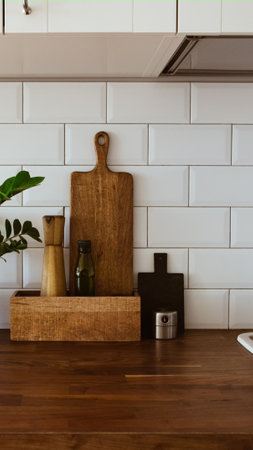
Introduction to Scandi-British Kitchen Design
The Scandi-British kitchen design movement has been gaining traction across the UK, emerging as a natural evolution from both Scandinavian and British aesthetics. This style blends the famed simplicity and functionality of Nordic interiors with the warmth, heritage, and practicality inherent in British homes. As open-plan living becomes ever more popular in contemporary UK households, the Scandi-British approach offers a perfect response—emphasising light, space, and an uncluttered atmosphere while still acknowledging the need for durability and tradition.
At its core, Scandi-British design is about striking a balance: clean lines meet classic details, pale timbers are paired with sturdy British materials, and neutral palettes are brought to life with subtle colour pops or textured accents. The result is a kitchen that feels calm yet characterful—inviting enough for everyday family life but refined enough for entertaining. In a country where kitchens often serve as the heart of the home, this hybrid style resonates strongly. It addresses the practicalities of British living (think storage for wellies or space for tea-making rituals) while embodying Scandinavian ideals of wellness, natural light, and minimal fuss. This article explores how these principles translate into real-world design choices for modern UK kitchens.
2. Core Design Principles
At the heart of Scandi-British kitchens lies a thoughtful blend of simplicity, functionality, and light—three architectural fundamentals that define both Scandinavian and British design sensibilities. These principles not only enhance the aesthetic appeal but also create spaces that are practical for daily life in the UK.
Simplicity: The Beauty of Less
Scandi-British kitchens embrace minimalism with clean lines, uncluttered surfaces, and a restrained colour palette. Cabinetry is often handleless or features discreet pulls, allowing for an unbroken visual flow. This understated approach ensures the kitchen feels calm and welcoming, steering clear of excessive ornamentation. Instead of overcomplicating with trends, these kitchens rely on timeless forms and subtle details to maintain their charm.
Functionality: Designed for Real Living
Functionality sits at the forefront of every design decision. Storage solutions are intelligently integrated to maximise space—a necessity in many British homes where kitchen footprints can be modest. Pull-out larders, deep drawers, and cleverly zoned workspaces support efficient meal preparation and easy access to essentials. The table below illustrates some typical functional elements found in Scandi-British kitchens:
| Feature | Description |
|---|---|
| Pull-out Larder | Vertical storage for dry goods, making use of narrow spaces |
| Integrated Appliances | Ovens, fridges, and dishwashers seamlessly built-in for a tidy look |
| Multi-purpose Island | Combines prep area, seating, and storage in one central feature |
| Clever Corner Solutions | Utilising Le Mans or carousel units for awkward corners |
Light: Harnessing Natural and Artificial Sources
Northern European influences prioritise maximising natural light, an important consideration given the UKs often grey skies. Large windows, skylights, and glass doors are used wherever possible to flood the kitchen with daylight. When natural light is limited, layered artificial lighting—such as under-cabinet LEDs and pendant fixtures—ensures tasks can be performed safely and comfortably. Pale surfaces further reflect light around the room, contributing to an uplifting atmosphere year-round.
The Scandi-British Balance
The synthesis of these core principles results in a kitchen that feels open yet intimate, highly usable yet effortlessly stylish—a reflection of both Scandinavian restraint and British practicality.
3. Selecting Materials and Finishes
When it comes to Scandi-British kitchens, the choice of materials is not merely about aesthetics—it’s a careful balance between form, function, and the unique demands of the British climate. Traditionally, Scandinavian design celebrates natural materials like timber, pale woods, and tactile surfaces. Translating this into the British context requires consideration of local weather patterns, humidity levels, and the historical architecture found throughout the UK.
Wood remains at the heart of Scandi-British kitchens. Oak, ash, and birch are popular choices for cabinetry and worktops, providing warmth and a sense of connection to nature. However, in Britain’s often damp climate, it’s crucial to select properly treated and sealed wood to prevent warping or swelling over time. Engineered wood can offer greater stability while still delivering that sought-after organic feel.
Stone is another material that bridges both Scandinavian and British sensibilities. Natural stones like granite or slate are durable enough to withstand everyday use and add a robust, earthy counterpoint to lighter woods. In Britain’s older homes—think Victorian terraces or Edwardian semis—stone worktops can reference traditional features while staying true to modern Scandi minimalism. Quartz composites are also gaining popularity for their resilience and broad palette of neutral tones.
Metals play an important supporting role in the Scandi-British kitchen. Brass handles, brushed stainless-steel taps, and matt black fixtures introduce subtle contrasts without overwhelming the space. These finishes echo both Scandinavian restraint and British practicality—they’re easy to clean, corrosion-resistant (a boon in areas with high rainfall), and lend themselves well to understated elegance.
For flooring, engineered wood, large-format porcelain tiles with stone effects, or even polished concrete all offer longevity and visual harmony with other elements in the room. It’s worth considering underfloor heating—a feature increasingly common in UK homes—to ensure comfort through chilly winters without sacrificing the clean lines demanded by Scandinavian-inspired schemes.
The key takeaway is compatibility: every material should be thoughtfully chosen not just for its look but for its suitability in daily British life. A successful Scandi-British kitchen feels warm yet airy, robust yet refined—an environment where practicality meets pared-back beauty.
4. Colour Palettes and Textures
One of the defining features of Scandi-British kitchens is their thoughtful approach to colour and texture. The combination of Scandinavian simplicity with British warmth results in spaces that feel both inviting and refined. Below, we explore the most popular colour schemes, subtle patterns, and textural contrasts that help shape these kitchens.
Popular Colour Schemes
| Colour Scheme | Description | Where Its Used |
|---|---|---|
| Soft Neutrals | Shades like off-white, taupe, and muted grey form the backbone of many designs, creating a calm and spacious feel. | Cabinetry, walls, and large surfaces |
| Sage Greens & Dusty Blues | Inspired by British countryside tones and Scandinavian palettes, these colours add a gentle touch without overwhelming the space. | Feature units, splashbacks, or islands |
| Earthy Accents | Browns, terracotta, and warm beige lend depth while echoing natural materials found in both traditions. | Worktops, open shelves, and accessories |
| Charcoal & Black Details | Darker hues are used sparingly to define lines or anchor lighter elements within the kitchen. | Hardware, taps, lighting fixtures |
Subtle Patterns for Interest
The Scandi-British aesthetic favours patterns that are understated rather than bold. Light herringbone tiling on splashbacks or timber floors gives just enough visual interest without overpowering the room. Similarly, classic British checkerboard tiles may appear in muted tones for a nod to heritage while maintaining modern restraint.
Examples of Subtle Patterns:
- Herringbone: Used for wooden flooring or splashbacks to introduce movement.
- Mottled Stone: Adds organic variation on worktops or upstands.
- Linen-textured Paints: Brings a soft tactile quality to walls or cabinetry fronts.
Textural Contrasts and Layering
A successful Scandi-British kitchen layers different textures to create a sense of depth. Smooth matte cabinetry sits alongside exposed timber shelving or rough-cut stone counters. Metal finishes—such as brushed brass or black steel—provide an industrial edge without dominating the palette. This conscious play between smooth and tactile materials brings the space to life while remaining grounded in practicality.
Typical Texture Pairings:
| Smooth Elements | Tactile Elements | Effect Achieved |
|---|---|---|
| Matte painted cupboards | Naturally grained oak shelves | Sleek yet warm atmosphere |
| Ceramic tiles (plain) | Handmade pottery accessories | Crisp base with artisanal highlights |
| Satin metal handles | Linen tea towels or curtains | Modern meets homely comfort |
This careful orchestration of colour palettes and textural layers is key to achieving a harmonious Scandi-British kitchen—one that feels distinctly local yet globally inspired, practical yet beautifully composed.
5. Organisation and Storage Solutions
The hallmark of a Scandi-British kitchen is its seamless blend of British storage traditions with the pared-back efficiency of Scandinavian systems. In the UK, classic larders and pantry cupboards have long played a starring role in keeping kitchens neat and provisions well-organised. Modern Scandi-British design takes these time-honoured elements and elevates them with clever storage solutions inspired by Nordic minimalism.
Embracing British Pantry Heritage
British homes often feature built-in larders or freestanding pantry cabinets, offering ample room for dry goods, preserves, and small appliances. In a Scandi-British kitchen, these pantries are reimagined with clean lines, soft hues, and integrated shelving to maximise both style and usability. Deep drawers, pull-out trays, and clear glass containers contribute to an orderly display and effortless access—a nod to both tradition and function.
Scandinavian Efficiency in Every Drawer
Inspired by Scandinavian practicality, every inch of storage is carefully considered. Pull-out corner units, slim spice racks between cabinets, and modular drawer dividers keep utensils, cookware, and ingredients impeccably sorted. Open shelving—when used sparingly—adds a lightness to the space while allowing for easy reach of everyday items without visual clutter.
Decluttering the Worktop
To maintain the signature clutter-free aesthetic, small appliances are often tucked away behind cabinet doors or within appliance garages. Under-cabinet hooks for mugs, magnetic knife strips, and discreet recycling bins are popular choices that keep surfaces clean yet functional.
Personal Touches with Practical Intent
While efficiency reigns supreme, a touch of British personality is never amiss. Open shelves may hold a collection of teapots or vintage crockery—items that speak to personal taste while remaining neatly displayed. The fusion of thoughtful organisation with subtle character ensures that the Scandi-British kitchen remains both practical for daily living and warmly inviting for family and guests alike.
6. Integrating Appliances and Technology
One of the key aspects of Scandi-British kitchen design is the thoughtful integration of appliances and technology, always with an eye on local British preferences. In recent years, there has been a noticeable shift towards built-in appliances in UK homes, reflecting both the minimalist Scandinavian aesthetic and the British appreciation for tidy, uncluttered spaces. Built-in ovens, induction hobs, and integrated fridges help maintain those clean lines so central to Scandi design, while also supporting efficient use of often limited British kitchen space.
Smart kitchen innovations are making their way into more households as well, but the approach here tends to be pragmatic rather than flashy. British homeowners value reliability and user-friendly features over unnecessary complexity. For example, Wi-Fi enabled ovens and app-controlled lighting are increasingly popular, provided they genuinely add to day-to-day convenience. Voice-activated assistants might control music or timers, but technology is always expected to serve function over form—never dominating the calm ambiance that defines this style.
Another important consideration is energy efficiency—a priority for both Scandinavian and British sensibilities. Appliances with high energy ratings are favoured not just for environmental reasons but also due to rising utility costs in the UK. Dishwashers and washing machines are commonly tucked behind matching cabinetry panels, ensuring uniformity across finishes and materials while reducing visual noise.
Ultimately, integrating appliances and technology in a Scandi-British kitchen is about balance: introducing innovation without sacrificing warmth or simplicity. The result is a harmonious environment where every gadget has its place, and technological additions enhance rather than interrupt daily life.
7. Bringing the Look Home: Tips and Resources
If you’re inspired to recreate a Scandi-British kitchen in your own home—whether you own or rent—there are practical steps and resources available across the UK to help you bring this unique style to life.
Sourcing Materials Locally and Sustainably
Opt for locally sourced timbers such as oak, ash, or beech, which echo both Scandinavian simplicity and British heritage. For worktops, consider British slate or stone for durability and a tactile finish. Reclaimed wood yards and salvage centres, such as The Architectural Forum in London or Glasgow Wood Recycling, are excellent sources for sustainable materials that add character.
Bespoke Joinery: Making It Personal
Custom cabinetry is central to the Scandi-British aesthetic. Seek out local joiners who understand both minimalist and traditional styles; many smaller workshops offer tailored solutions at competitive prices. Ask about eco-friendly finishes like natural oils or water-based lacquers for a muted, authentic look. If bespoke is beyond your budget, consider semi-custom options from British brands such as Howdens or Magnet, focusing on simple shaker profiles with clean lines.
Organisational Touches
Maximise storage with open shelving from UK suppliers like Ikea (whose Scandinavian roots complement the look) or Habitat. Invest in modular drawer organisers and pull-out larder units from Hafele or B&Q to maintain order and accessibility without cluttering surfaces.
Recommended Stockists and Showrooms
- Ikea UK: Accessible Scandi-inspired furniture and fittings.
- Neptune: Classic British kitchens with pared-back elegance.
- The English Kitchen Company: Bespoke cabinetry made in Britain.
- Dulux Heritage Range: Paints in subtle, nature-inspired tones perfect for this style.
Final Practical Advice
For renters, focus on easily reversible updates: swap out handles for brushed brass or black metal, introduce portable freestanding islands, and use adhesive wall hooks for hanging utensils. Homeowners can invest more permanently in custom cabinetry and stone worktops. In all cases, balance investment with versatility so your kitchen remains adaptable as trends evolve.